Most hospitals do not lose money because of bad decisions. They lose it quietly, in small amounts, every single day, through gaps that nobody notices until the numbers stop adding up at the end of the month. A missed charge here, a delayed insurance claim there, a discount applied without proper approval. None of it looks alarming on its own. Together, it can drain a meaningful share of a hospital’s annual revenue.
This is what the industry calls revenue leakage, and it is far more common than most hospital administrators realise. At Medibest, this is one of the most frequent concerns hospital finance teams raise before they even mention wanting new software, they simply know money is slipping away somewhere and cannot pinpoint where. The good news is that it is also one of the easier problems to fix, provided the right systems are in place.
What Revenue Leakage Actually Looks Like
Revenue leakage rarely shows up as one big mistake. It builds up from a series of small, repeated gaps in the billing process. Some of the most common causes include:
- Manual entry errors during patient billing
- Services performed but never recorded for billing
- Delayed or rejected insurance claims due to incomplete documentation
- Inconsistent discount approvals across departments
- Poor coordination between pharmacy, lab, and billing teams
- Outdated tariff lists that do not reflect current pricing
None of these happen because staff are careless. They happen because manual, disconnected processes leave too much room for things to slip through unnoticed.
Why Manual Billing Struggles to Keep Up
A busy hospital generates dozens of billable events every hour, across OPD consultations, IPD admissions, pharmacy dispensing, diagnostic tests, and procedures. When billing depends on staff manually tracking and entering each of these, delays and omissions become almost inevitable, especially during peak hours.
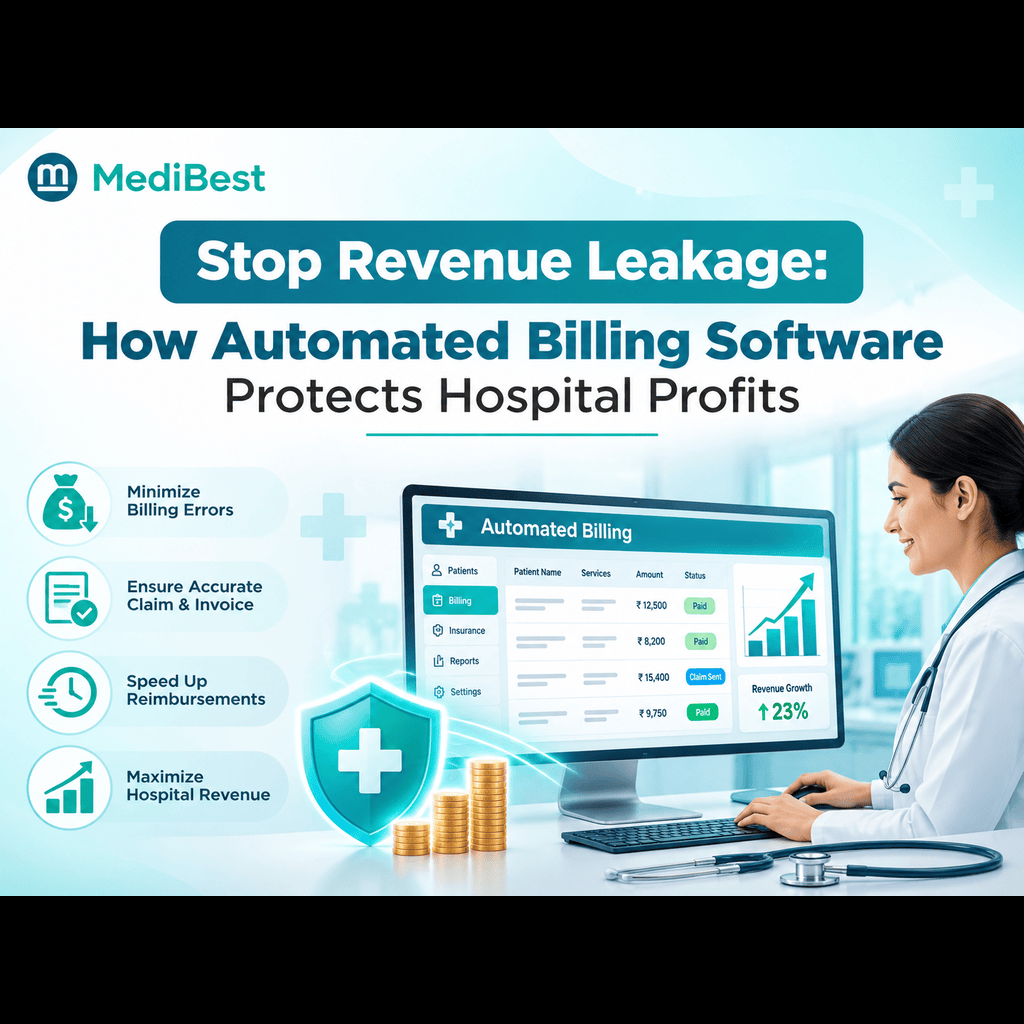
This is exactly where billing software for hospital operations makes a measurable difference. Instead of relying on manual cross checking between departments, every billable event gets captured automatically at the point it occurs. A lab test ordered gets billed. A pharmacy item dispensed gets billed. Nothing depends on someone remembering to note it down later.
How Automated Billing Software Closes the Gaps
A well designed medical billing management software system does more than just generate invoices faster. It brings structure and consistency to a process that is otherwise prone to human error.
Here is what changes once automation takes over:
- Real time charge capture: Every service, test, or medicine gets billed the moment it is delivered, not hours later from memory
- Automated insurance claim checks: Claims are validated against payer requirements before submission, reducing rejections
- Standardised discount rules: Approvals follow a set policy instead of varying by staff member or shift
- Centralised tariff management: Pricing updates apply instantly across all departments, avoiding outdated charges
- Clear audit trails: Every transaction is traceable, making reconciliation and internal audits far simpler
The result is not just fewer errors. It is a billing process that hospital administrators can actually trust when reviewing monthly revenue reports.
The Connection Between Records and Revenue
Billing accuracy depends heavily on documentation accuracy. When patient history, treatment notes, and procedure details are scattered across paper files or disconnected systems, billing staff are often working with incomplete information. This is one of the most overlooked causes of revenue leakage.
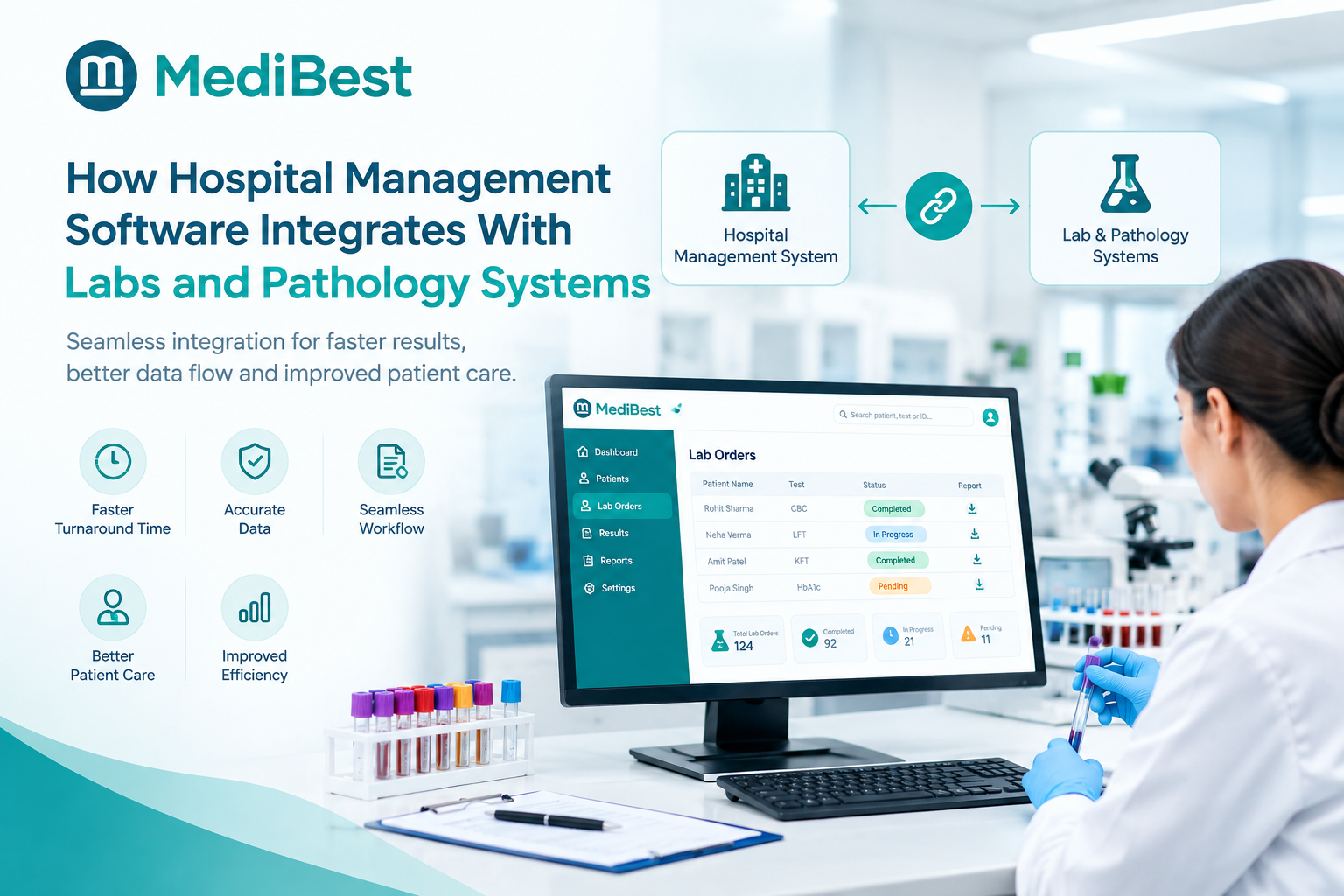
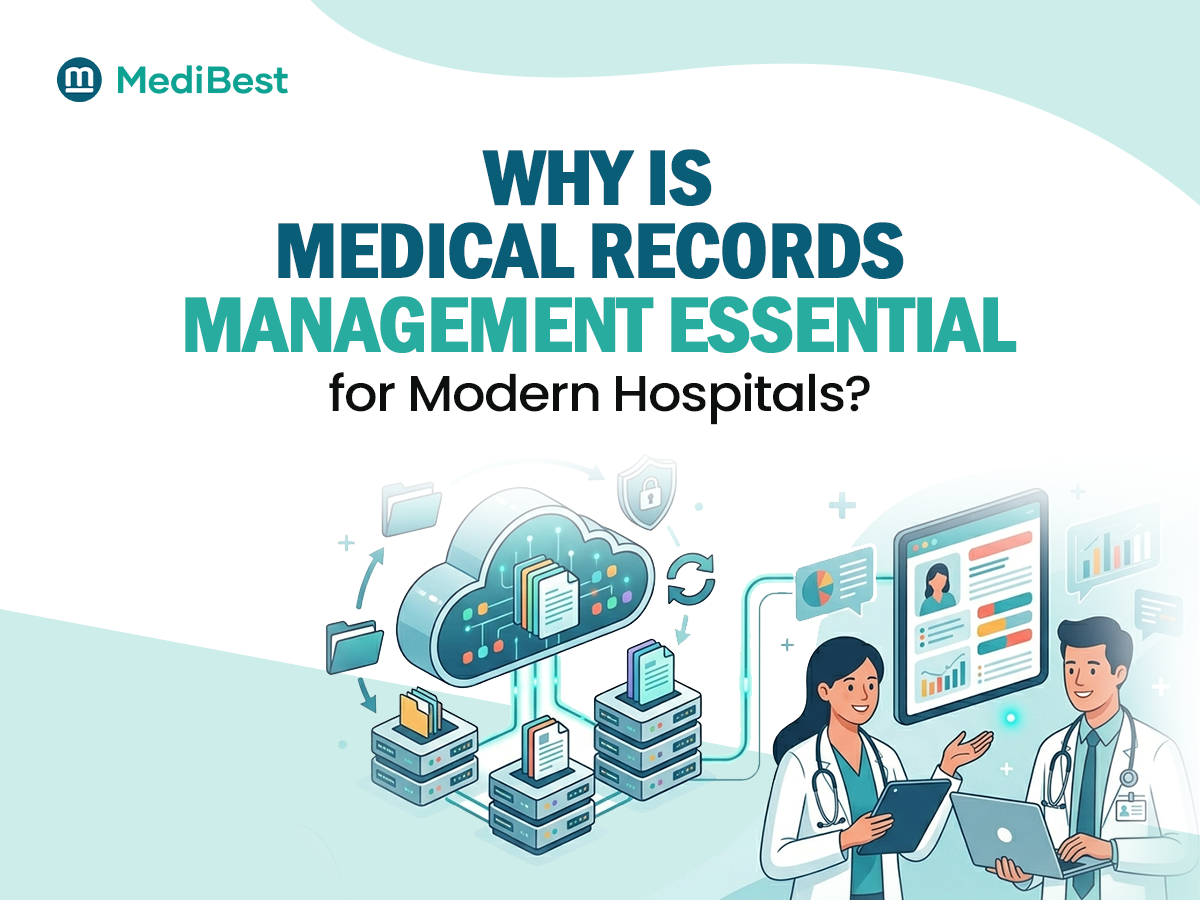
Proper medical records and billing software integration solves this by linking clinical documentation directly to the billing process. When a doctor updates a treatment note or a nurse logs a procedure, that information flows straight into billing without needing to be re entered manually. Fewer handoffs mean fewer chances for something to be missed or mismatched.
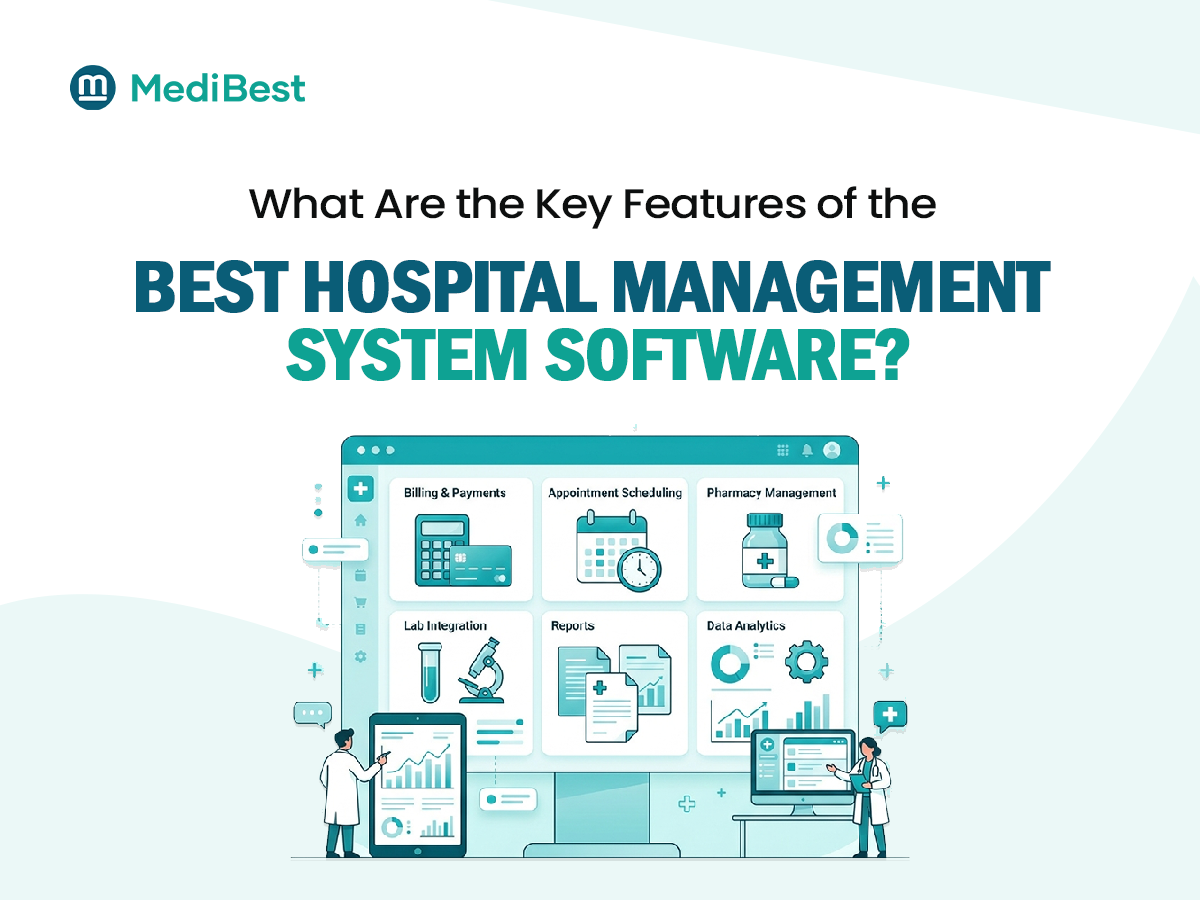
This is also part of what makes a hospital management system genuinely useful rather than just a digital filing cabinet. If you are evaluating what a modern system should offer beyond billing alone, it is worth looking at the key features of the best hospital management system software to understand how these pieces work together as a whole.
What Hospitals Gain Beyond Fewer Errors
Reducing revenue leakage is not only about protecting existing income. It changes how a hospital operates day to day.
- Finance teams spend less time chasing discrepancies at month end
- Insurance claim approval rates improve, speeding up cash flow
- Department heads get accurate, real time visibility into billing activity
- Patients receive clearer, more consistent bills, which reduces disputes and improves trust
- Leadership can make decisions based on numbers they actually trust
Medibest has worked with hospitals across Madhya Pradesh that were losing revenue in exactly these small, repeated ways, without realising the scale of it until billing was properly automated. Once departments stopped operating in isolation, the difference in monthly reconciliation was immediate and easy to see.
Frequently Asked Questions
1. What is revenue leakage in hospitals?
Revenue leakage refers to the gradual, often unnoticed loss of hospital income due to billing errors, missed charges, delayed claims, or inconsistent discount practices, rather than any single major mistake.
2. How does billing software reduce revenue leakage?
It automatically captures billable services at the point of delivery, applies consistent pricing and discount rules, and validates insurance claims before submission, closing the small gaps where manual processes typically fail.
3. Is automated billing software difficult for hospital staff to learn?
Not when it is designed around actual hospital workflows. A system built specifically for healthcare, rather than adapted from generic business software, is usually easier for clinical and billing staff to adopt with minimal training.
4. Can billing software integrate with existing hospital records?
Yes. A properly implemented system connects clinical documentation directly with billing, so treatment and procedure details flow into invoices automatically instead of requiring manual re entry.
5. Does automation replace the need for a billing team?
No. It removes repetitive manual work so billing staff can focus on reviewing exceptions, resolving claim issues, and handling patient queries, rather than spending most of their time on routine data entry.
Ready to Close the Gaps in Your Hospital’s Billing
If your hospital’s billing process still depends on manual tracking across departments, some amount of revenue is likely slipping through unnoticed right now. Reach out to Medibest to see how an integrated billing system can bring accuracy, consistency, and clear visibility to your hospital’s revenue cycle, starting with a conversation about where your current process is losing the most.