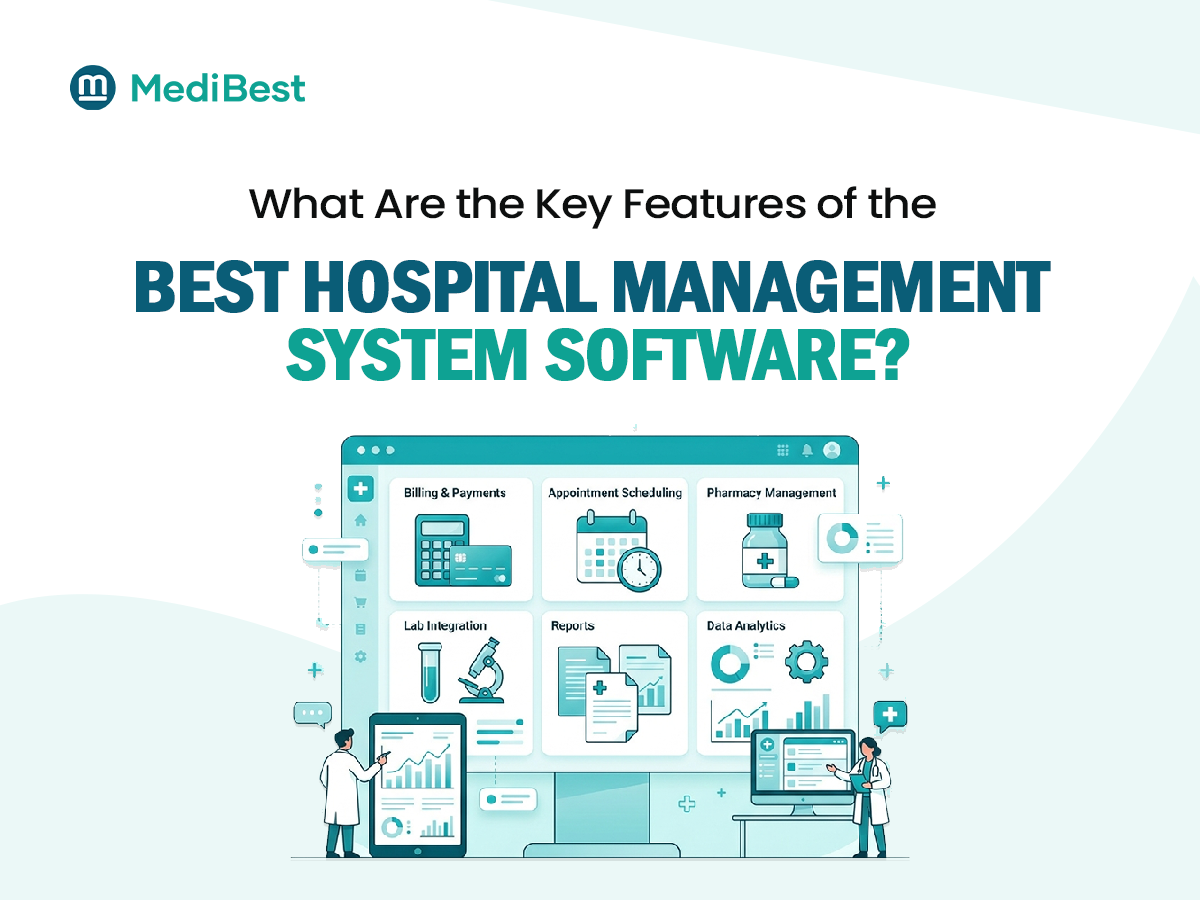
Modern hospitals run on more than skilled clinicians — they run on smart systems. Discover the must-have features that separate average healthcare management systems from truly transformative ones.
Healthcare organisations today face an increasingly complex operating environment. Rising patient volumes, mounting administrative burdens, tightening regulations, and growing expectations for seamless digital experiences mean hospitals cannot afford inefficiency. That is where a robust hospital management system (HMS) software becomes mission-critical.
Whether you are a hospital administrator evaluating your first healthcare management system, or an IT director looking to upgrade an ageing business management system, this guide breaks down the key features you should demand from a modern HMS solution.
Why a Modern Health Care Management System Matters
A hospital is one of the most operationally complex organisations on the planet. It simultaneously manages patient care, inventory, billing, regulatory compliance, staff schedules, and real-time data flows — all under one roof.
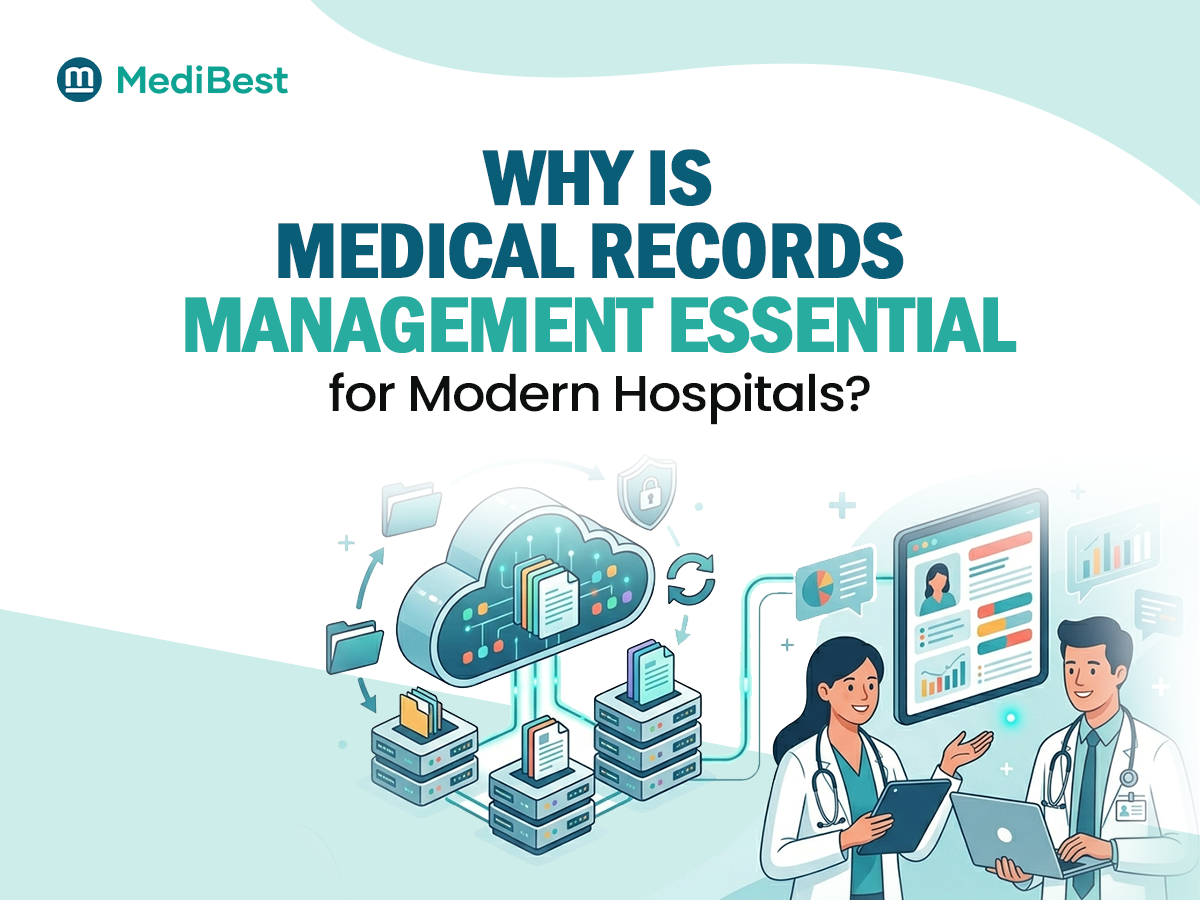
A purpose-built health care management system brings these moving parts together into a single, integrated digital environment. The result is less paperwork, fewer errors, faster decisions, and ultimately better patient outcomes.
According to the World Health Organization’s digital health framework, digital health tools — including hospital management platforms — are a cornerstone of strengthening health systems globally. Similarly, the U.S. Office of the National Coordinator for Health IT highlights that integrated health IT systems reduce preventable errors and improve care coordination.
Core Features of the Best Hospital Management Software
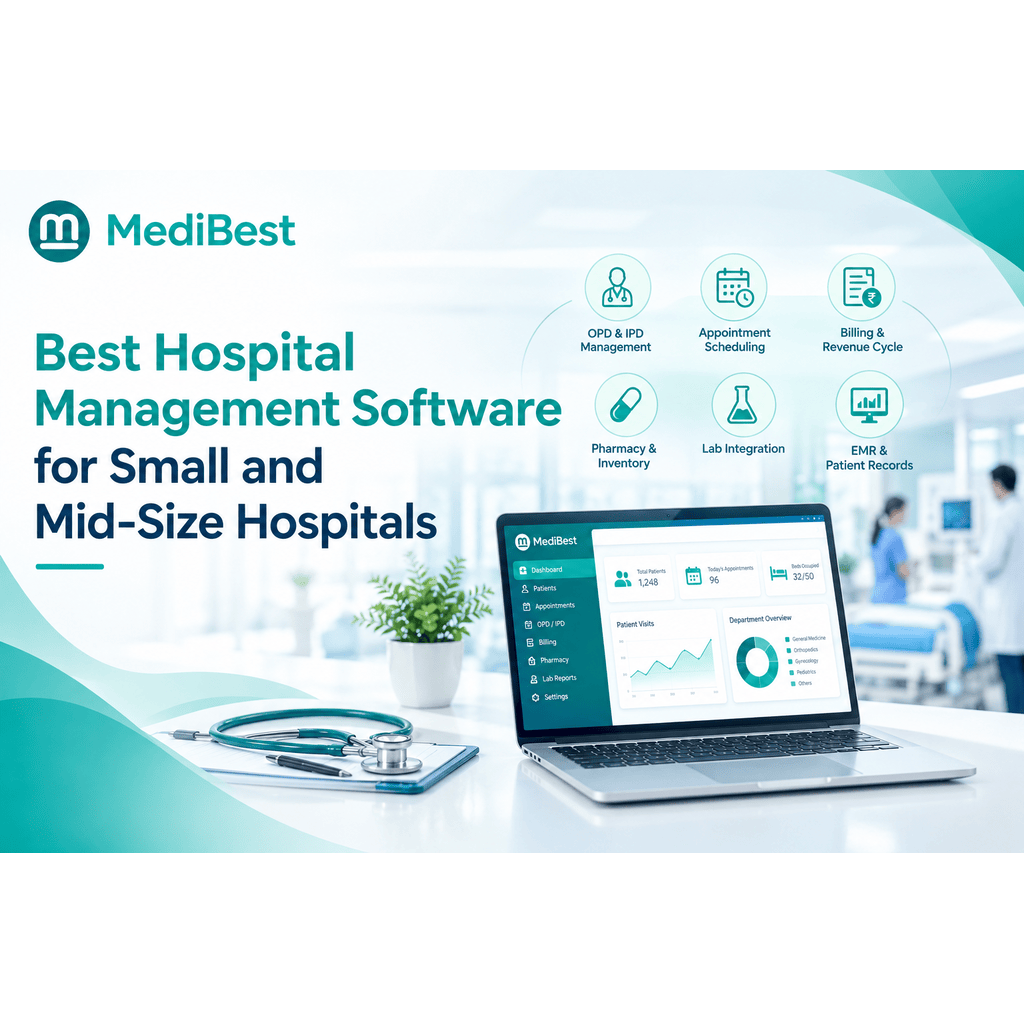
Not all HMS platforms are equal. Here are the defining capabilities that make a best hospital management software stand out from generic business software alternatives.
- Patient Registration & Records
Centralised digital records accessible across departments in real time. - Appointment Scheduling
Automated booking, reminders, and waitlist management.
- Billing & Finance
End-to-end revenue cycle management and insurance claims processing.
- Pharmacy & Inventory
Real-time stock tracking, automated reordering, and expiry alerts.
- Analytics & Reporting
Actionable dashboards and compliance-ready reports.
- Integration Software
Connects labs, imaging, and third-party systems seamlessly.
1. Integrated Patient Information and Client Management System
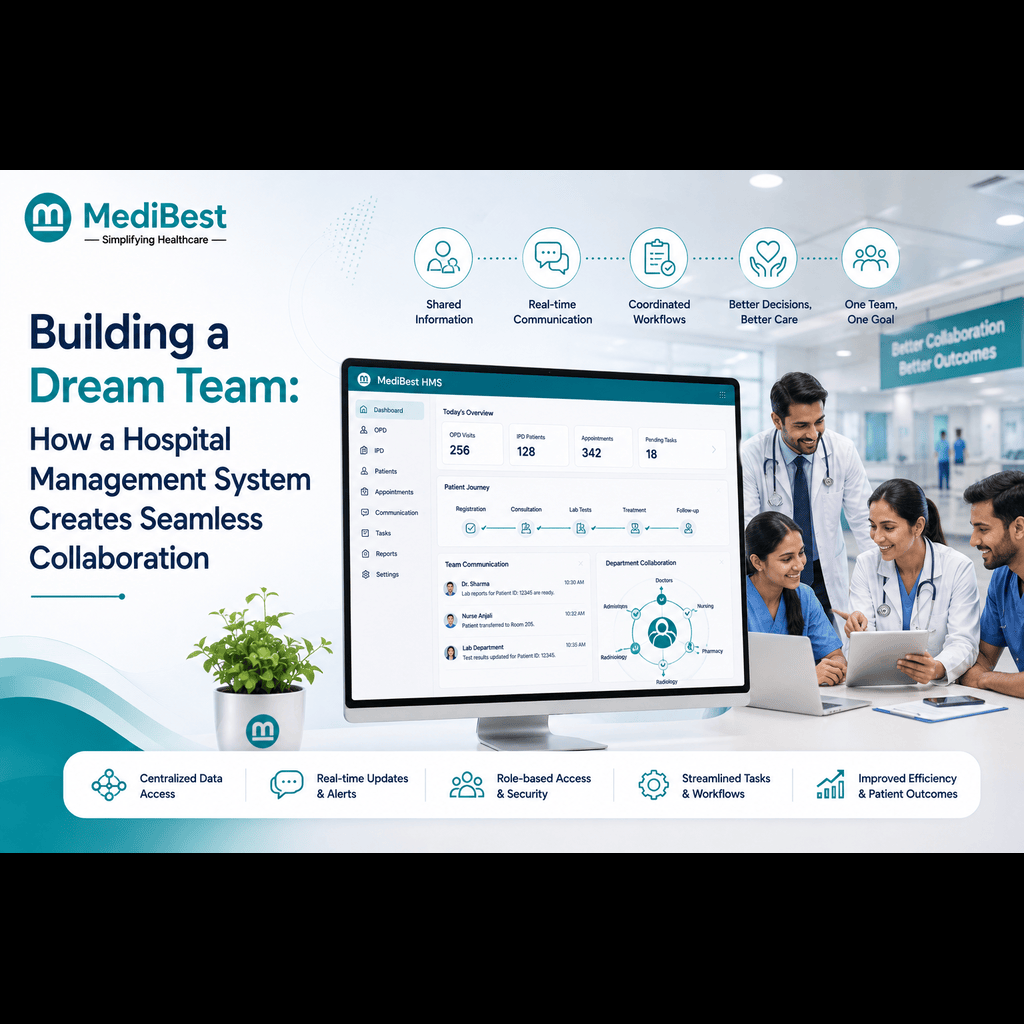
At the heart of any strong client management system for healthcare is a unified patient record. The best HMS platforms store clinical history, lab results, prescriptions, allergies, and discharge summaries in one place — accessible by authorised staff across every department.
This eliminates data silos and reduces the risk of duplicate tests or medication errors. A well-structured user management system ensures that access is role-based, protecting patient privacy while enabling seamless information flow.
2. Appointment and OPD Work Management Tool
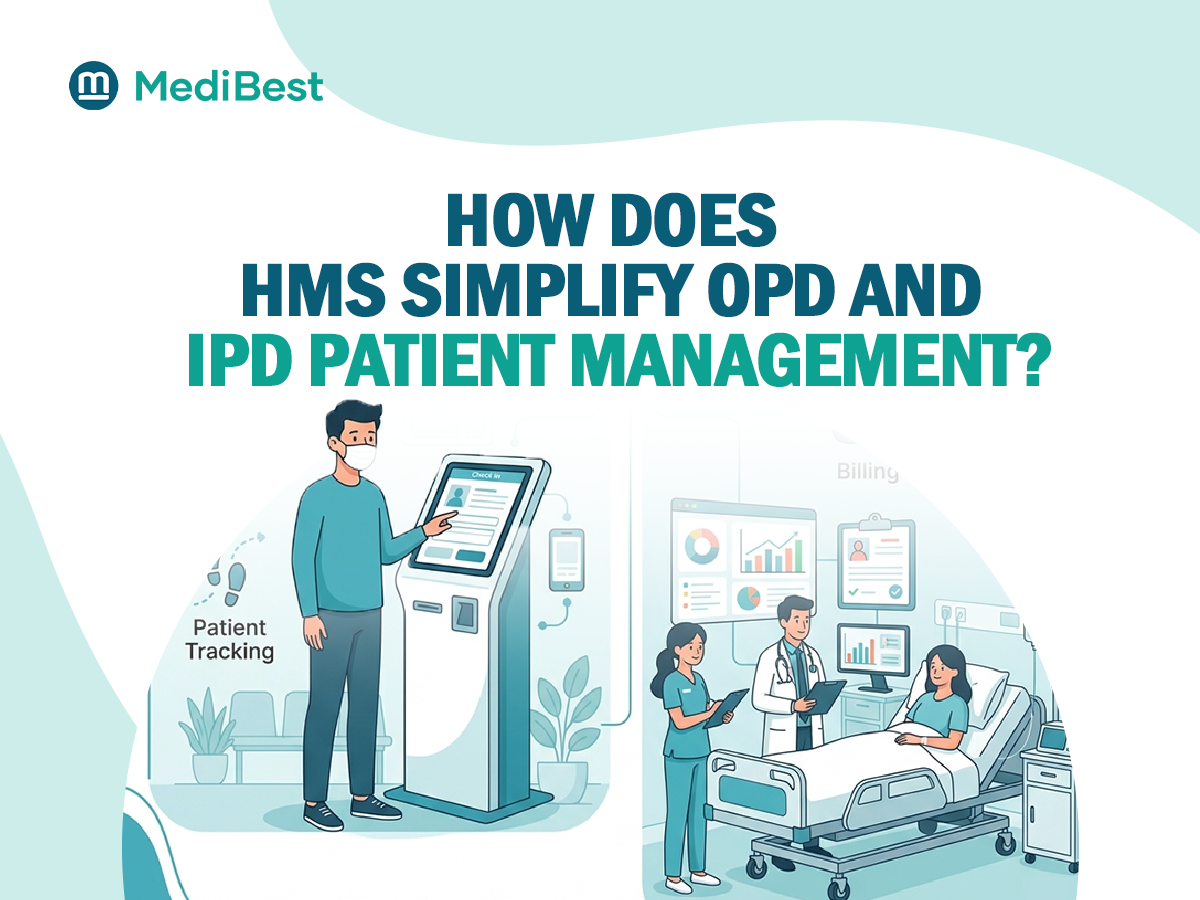
A high-performing work management tool for outpatient departments handles appointment booking, doctor scheduling, queue management, and follow-up reminders — all automatically. Patients benefit from reduced wait times; staff benefit from predictable workloads.
Look for a system that supports online booking portals, SMS and email notifications, and real-time slot availability. These features are standard in leading web management systems tailored for hospitals.
3. Billing, Finance, and Revenue Cycle as a Business Management System
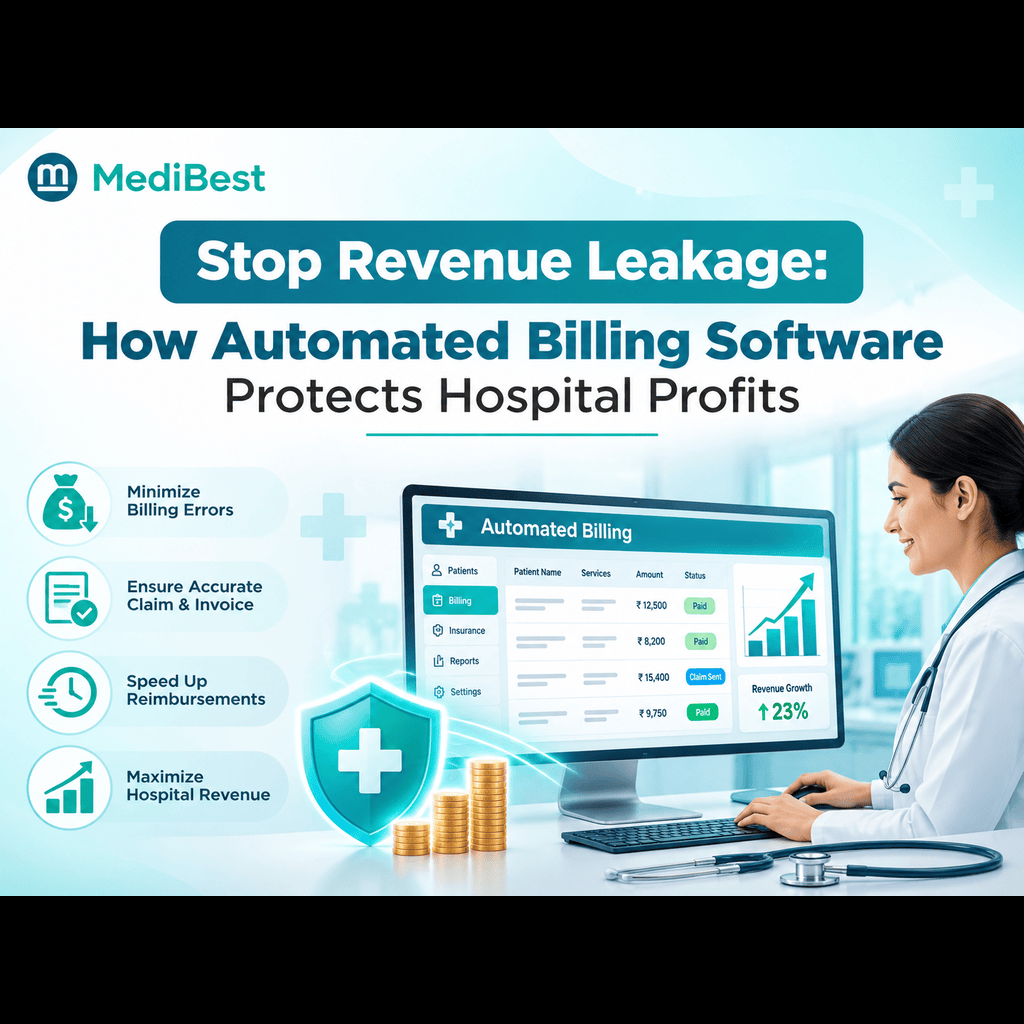
A hospital’s financial health depends on clean, accurate billing. The right business management system automates invoice generation, insurance pre-authorisation, claims submission, and payment reconciliation. This dramatically reduces revenue leakage and manual errors.
Features to look for include GST/tax compliance modules, TPA and insurance integration, and real-time financial dashboards. Hospitals that use integrated billing as part of their enterprise management system consistently report shorter revenue cycles and improved cash flow.
4. Pharmacy, Lab, and Inventory as a Product Management System
Hospitals consume thousands of products daily — from medications to surgical consumables. A built-in product management system tracks stock levels, manages expiry dates, automates reorder triggers, and links pharmacy dispensing directly to patient prescriptions.
This reduces waste, prevents stockouts, and ensures audit-ready inventory records. When the pharmacy module is part of the same application management system, cross-departmental data accuracy improves significantly.
5. Integration Software for Labs, Imaging, and Third-Party Systems
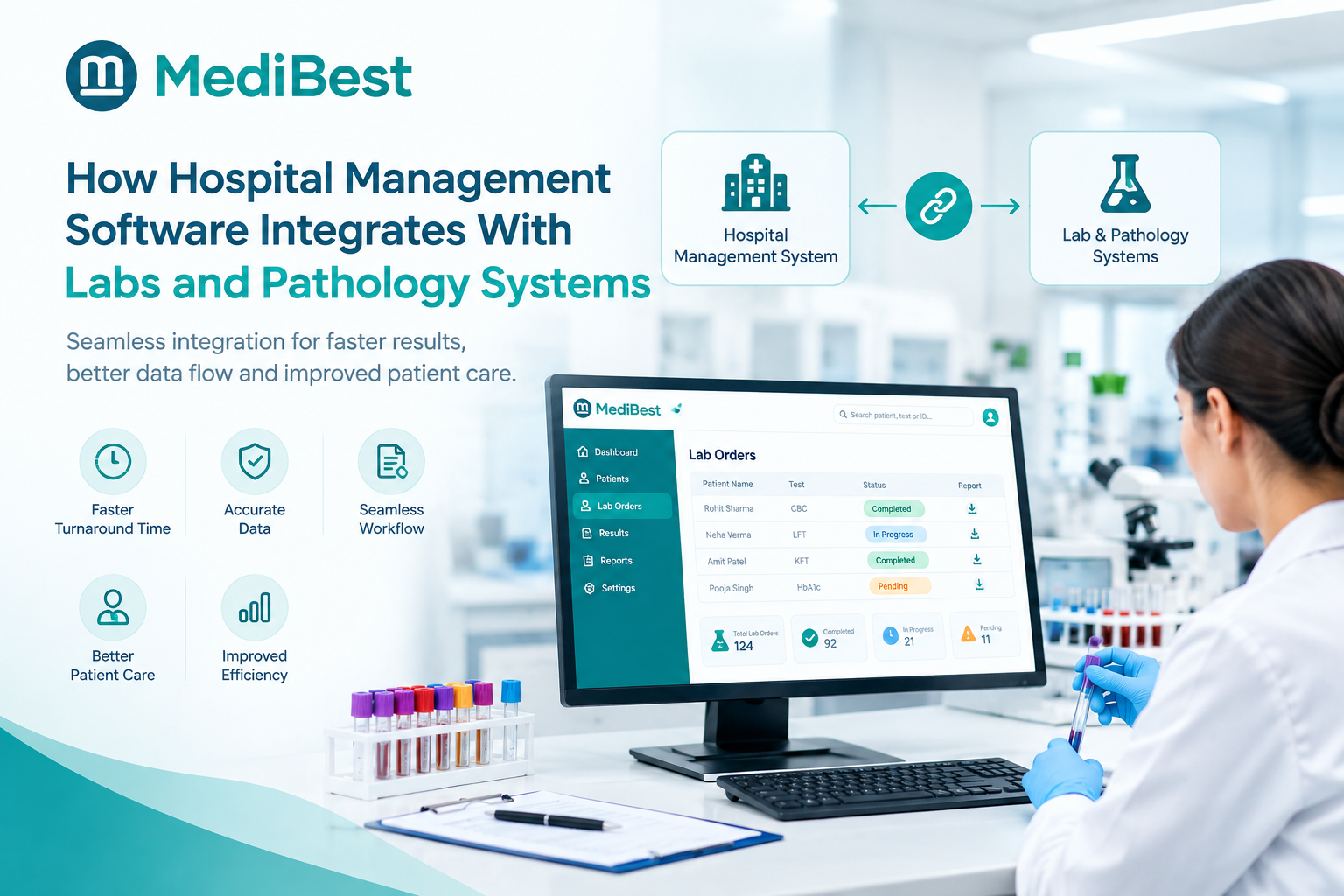
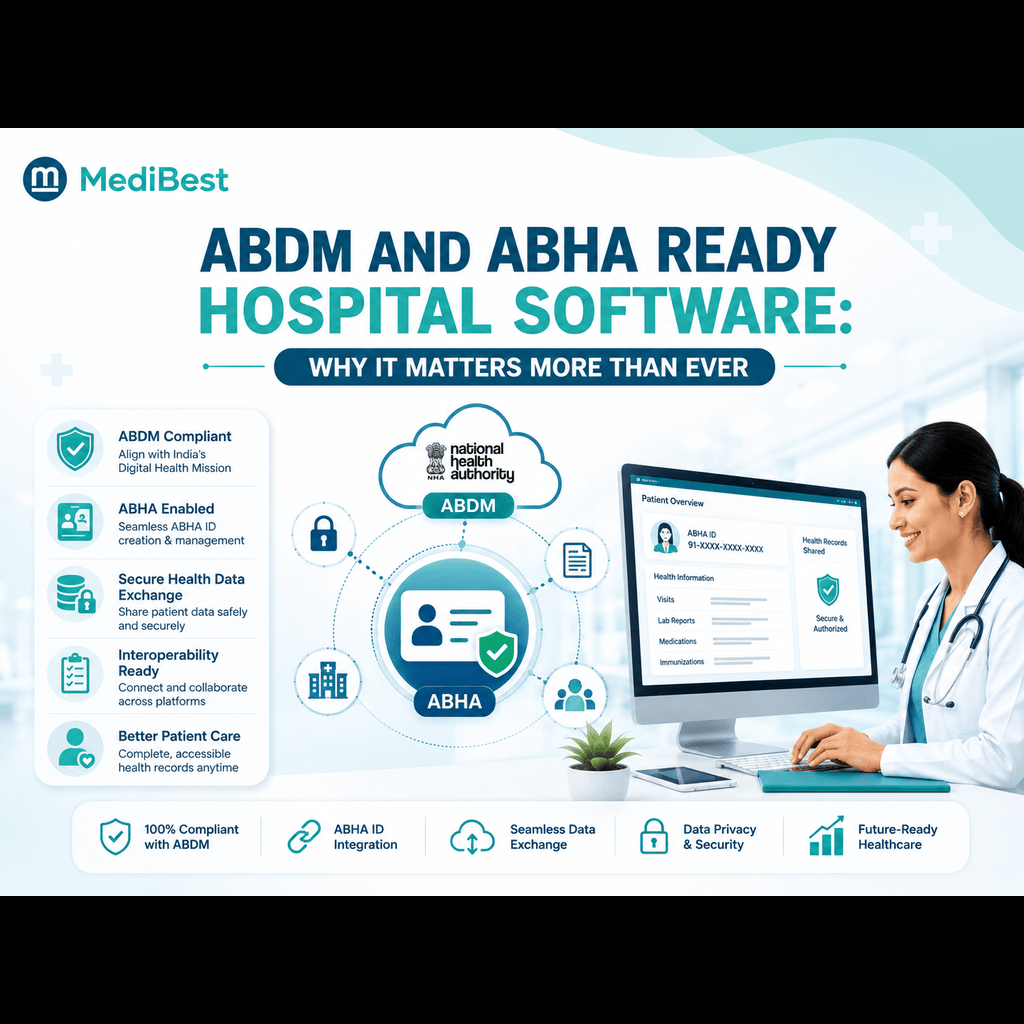
Modern hospitals use dozens of specialised tools. The best HMS acts as powerful integration software, connecting laboratory information systems (LIS), radiology and imaging (PACS/RIS), insurance portals, government health schemes, and even wearable devices into a single unified work system.
Look for HL7 FHIR compliance and open API support. These standards ensure your HMS can adapt as new technologies emerge, without costly custom development.
The International Organization for Standardization recommends HL7 FHIR as the global data exchange standard for healthcare systems.
6. Analytics, Reporting, and a Smart Work System
Data without insight is just noise. A leading management application transforms raw operational data into meaningful dashboards — tracking bed occupancy, patient outcomes, revenue performance, staff productivity, and regulatory compliance in real time.
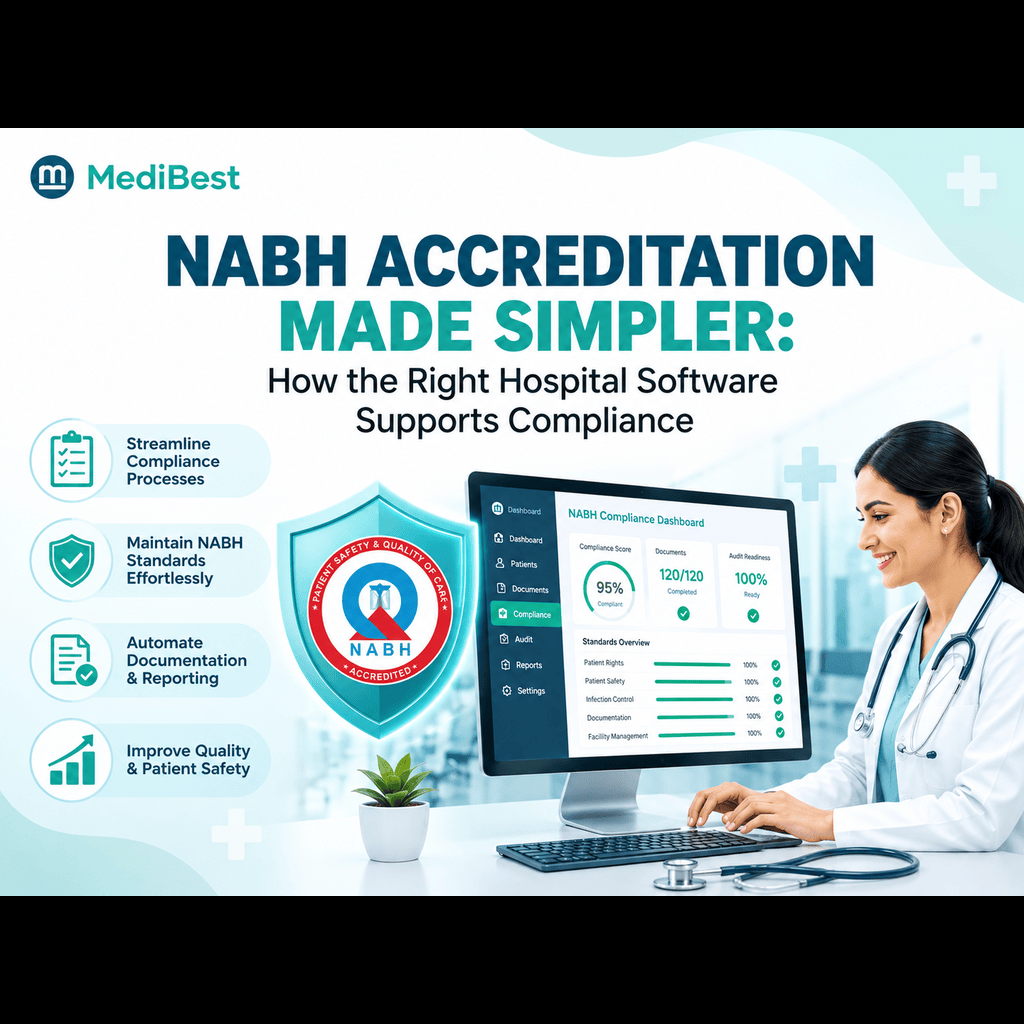
Good reporting tools also support clinical audits, NABH accreditation, and government reporting mandates. When your company software does this automatically, administrative overhead drops substantially.
7. Security, Role-Based Access, and User Management System
Healthcare data is among the most sensitive in existence. A robust user management system assigns granular permissions by role — so a billing clerk sees financial data, but not clinical notes, while a physician sees patient records without access to payroll systems.
Encryption at rest and in transit, full audit trails, and multi-factor authentication are non-negotiable features of any serious enterprise management system in healthcare.
What to Look for When Choosing the Right Healthcare Management System
Beyond individual features, the best HMS for your hospital should offer:
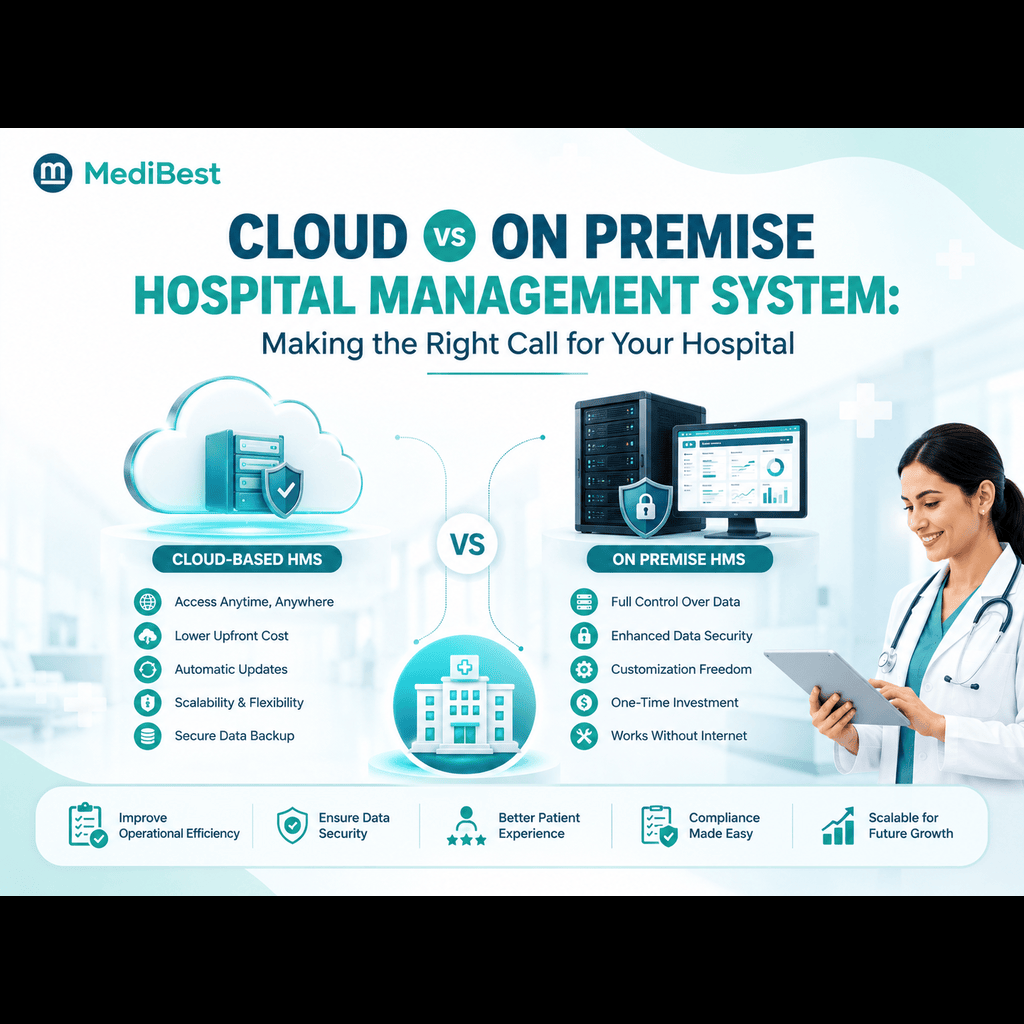
- Cloud-based or on-premise deployment flexibility to suit your infrastructure strategy.
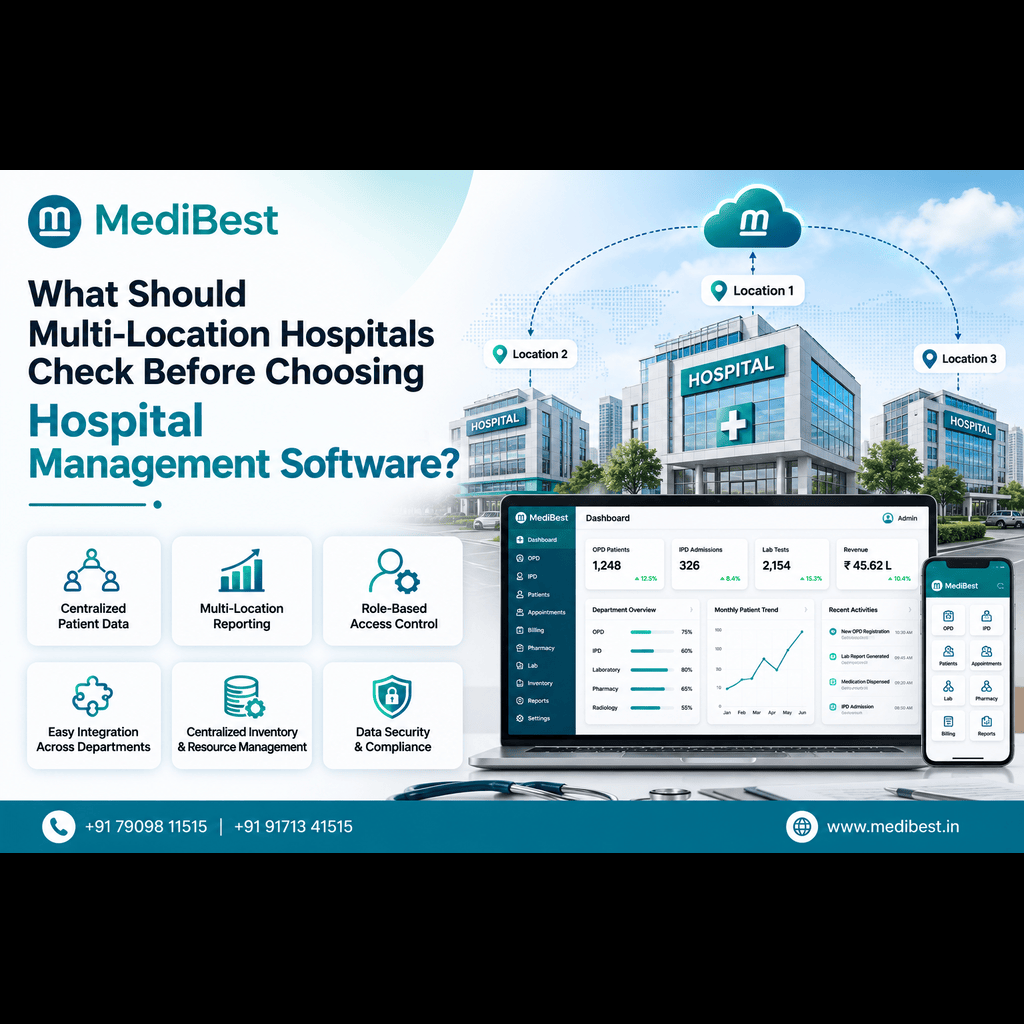
- Scalability that grows from a single facility to a multi-location hospital network.
- An intuitive interface that requires minimal training for busy clinical and admin staff.
- Dedicated local support and regular software updates to keep your system compliant.
- A near-paperless workflow design that reduces administrative overhead and environmental impact.
- Proven implementation track record across hospitals of similar size and specialty mix.
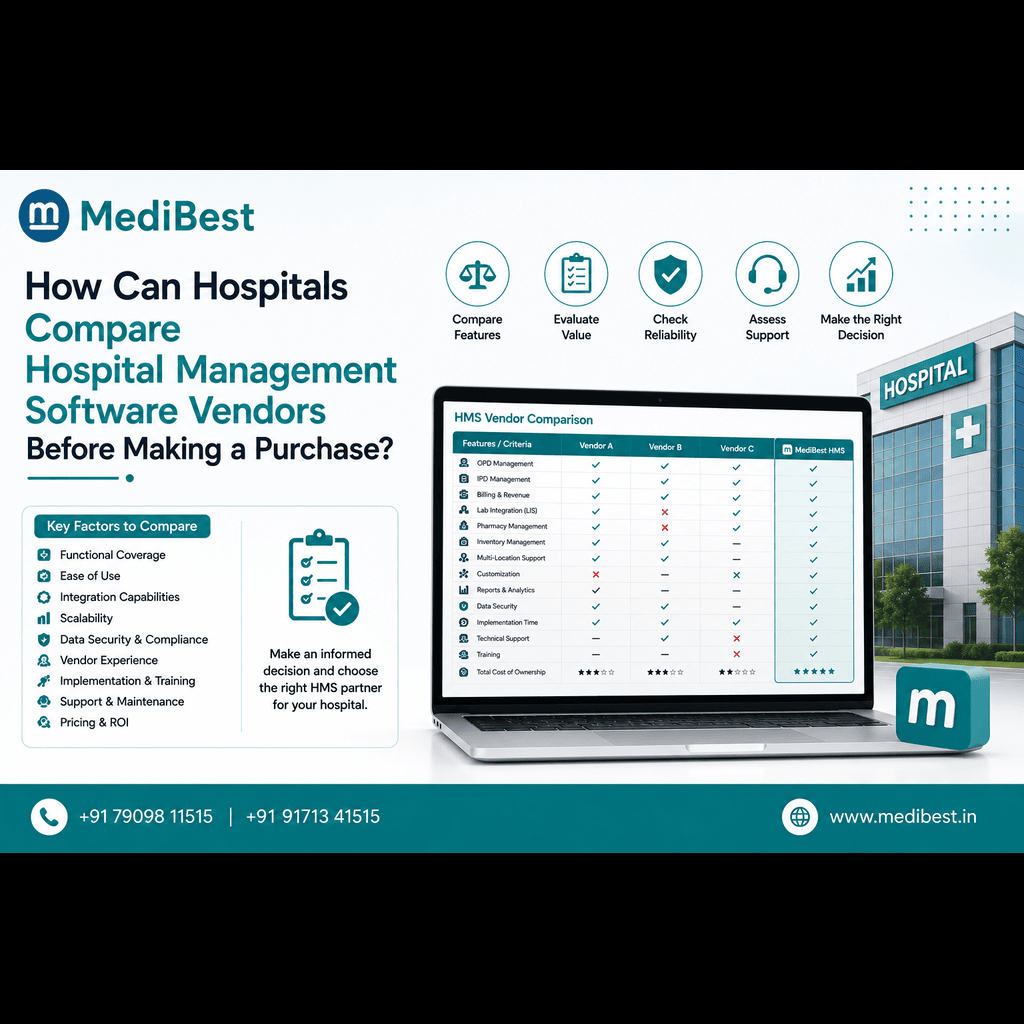
When evaluating vendors, ask for live demonstrations, reference clients, and uptime SLA commitments. A great business software partner will welcome the scrutiny.
Frequently Asked Questions: –
Q1. How is HMS used for appointment scheduling?
A: HMS automates appointment booking, sends reminders, manages doctor schedules, and reduces patient wait times through a centralised digital platform.
Q2. What are the benefits of using hospital management software?
A: It speeds up registration, automates billing, improves inventory control, ensures regulatory compliance, and boosts overall hospital productivity and patient satisfaction.
Q3. How do I choose the best hospital management system for my hospital?
A: Assess your hospital’s size, budget, and needs, then choose a scalable system with strong local support and proven implementation experience.
Conclusion
The right hospital management system is more than software — it’s the digital backbone of modern healthcare. From appointment scheduling to billing and analytics, a robust HMS empowers hospitals to operate smarter, reduce errors, and deliver better patient care. Invest in the right system today and transform your hospital’s tomorrow.
Join hospitals using Medibest HMS to automate workflows, reduce paperwork, and deliver exceptional patient care — from day one. Contact us today and see how your hospital can achieve measurable results instantly.