A quiet shift has been happening across Indian healthcare over the past few years. Hospitals that once operated as isolated islands of patient data are increasingly expected to connect into a much larger digital health ecosystem. This shift has a name, the Ayushman Bharat Digital Mission, and it is changing what hospitals need from their software in ways that many administrators are only now starting to fully understand.
If your hospital’s current system was not built with this in mind, it is worth understanding exactly what ABDM and ABHA readiness means, and why it is quickly becoming less of an optional feature and more of a basic expectation.
What ABDM and ABHA Actually Mean for Hospitals
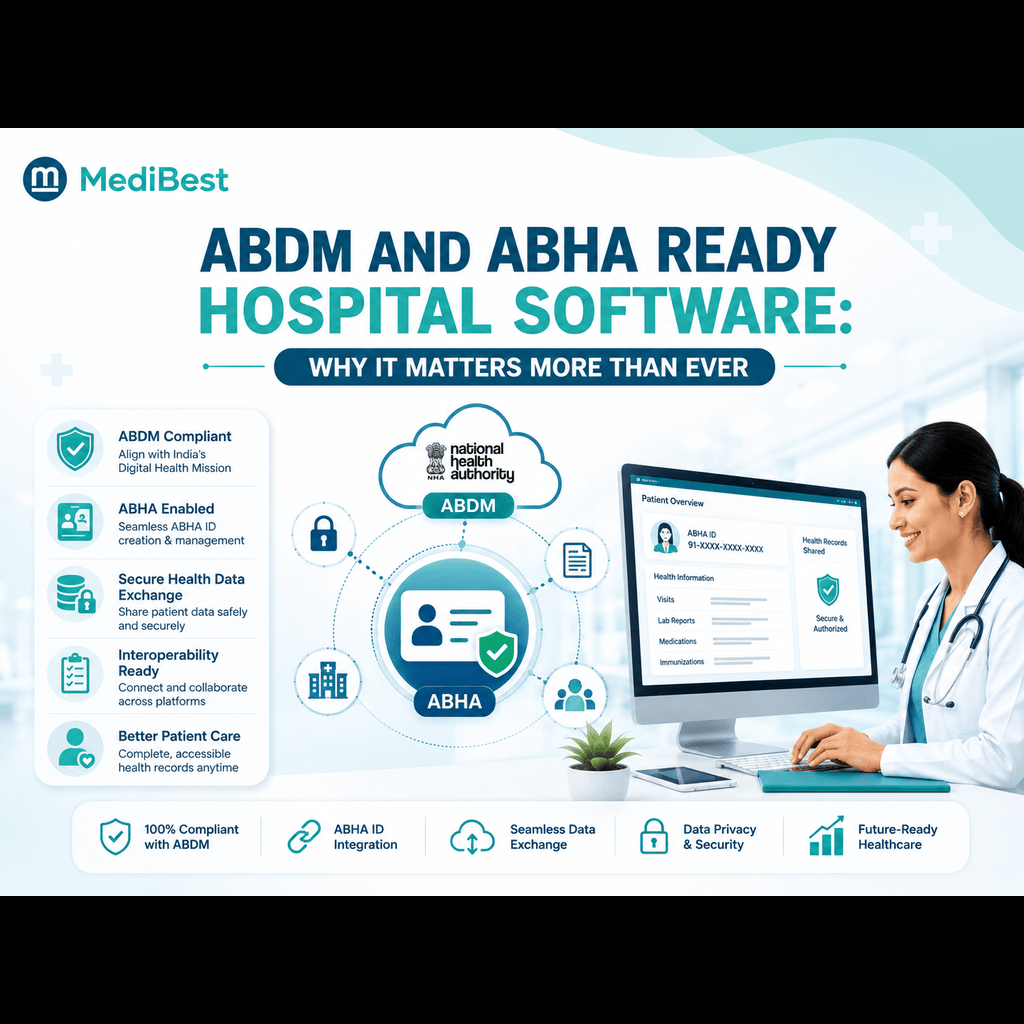
ABDM, the Ayushman Bharat Digital Mission, is a national initiative aimed at creating a connected digital health infrastructure across India. At the center of it is ABHA, the Ayushman Bharat Health Account, a unique digital health ID that allows patients to link their medical records across different hospitals and healthcare providers.
In practical terms, this means a patient with an ABHA ID can, in theory, walk into any participating hospital and have relevant medical history accessible digitally, rather than starting from scratch with a blank file every time. For hospitals, this means their systems need the ability to create, verify, and exchange patient data through this national framework, not just store it internally.
This is a meaningful shift from how most hospital software has traditionally worked, where patient records lived entirely within one hospital’s own database, disconnected from anywhere else the patient may have received care.
Why This Matters More Than Just Compliance
It is tempting to think of ABDM readiness as another regulatory checkbox, similar to any other compliance requirement. But the practical benefits extend well beyond simply meeting a government mandate.
- Patients arriving with an existing ABHA ID can be registered faster, since basic details are already verified
- Referral cases benefit from access to prior treatment history, reducing repeated tests and diagnostic delays
- Hospitals gain a pathway to participate in government health schemes that increasingly expect digital integration
- Data exchange becomes standardised, reducing the friction of hospitals using incompatible systems
- Patients build long term trust in facilities that support portable, accessible health records
For hospitals thinking ahead, ABDM readiness is less about avoiding a penalty and more about not being left behind as patients and referring physicians increasingly expect this level of digital connectivity as standard.
What to Look For in Your Hospital Software
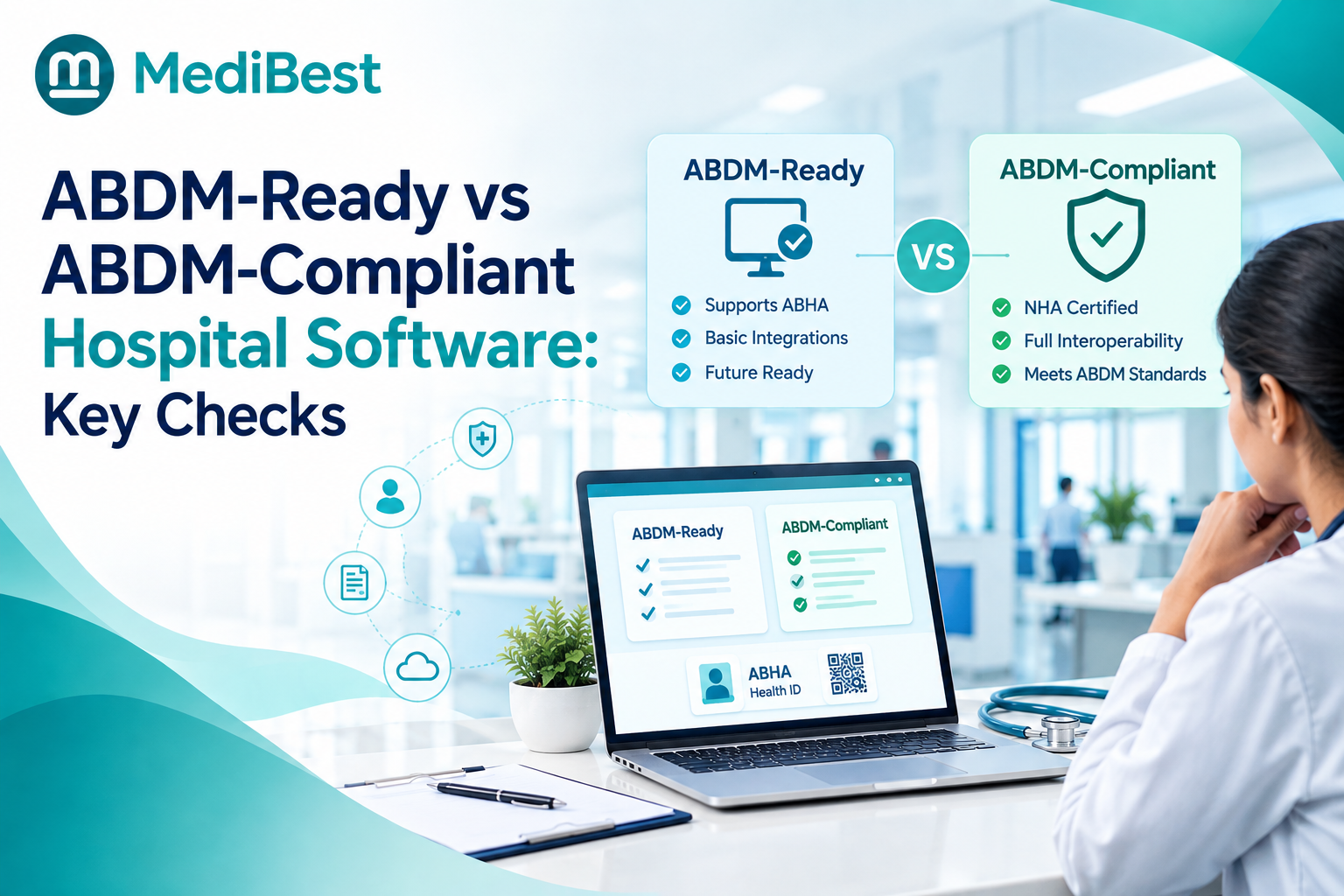
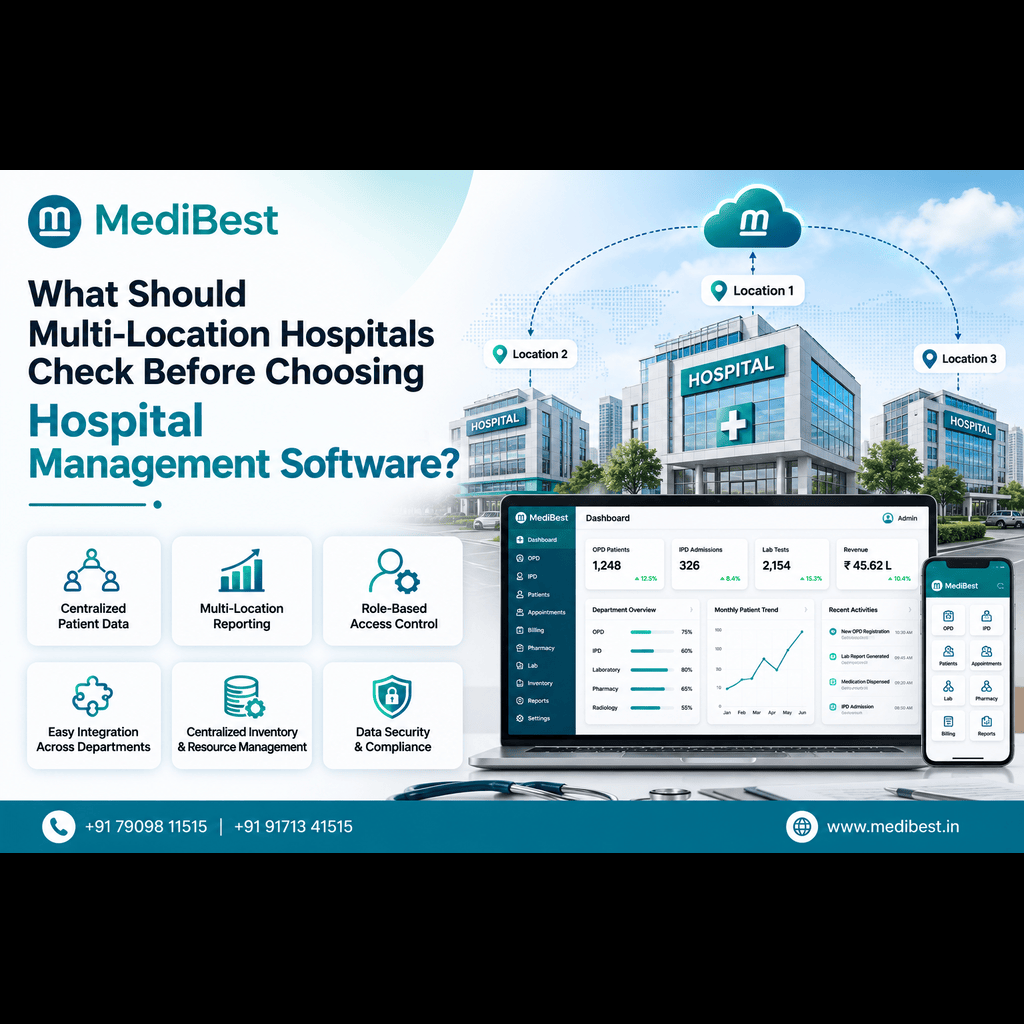
Not every system marketed as a hospital platform is genuinely built to support this. A capable hospital management system software needs specific technical capabilities to participate properly in the ABDM framework, rather than simply claiming compatibility.
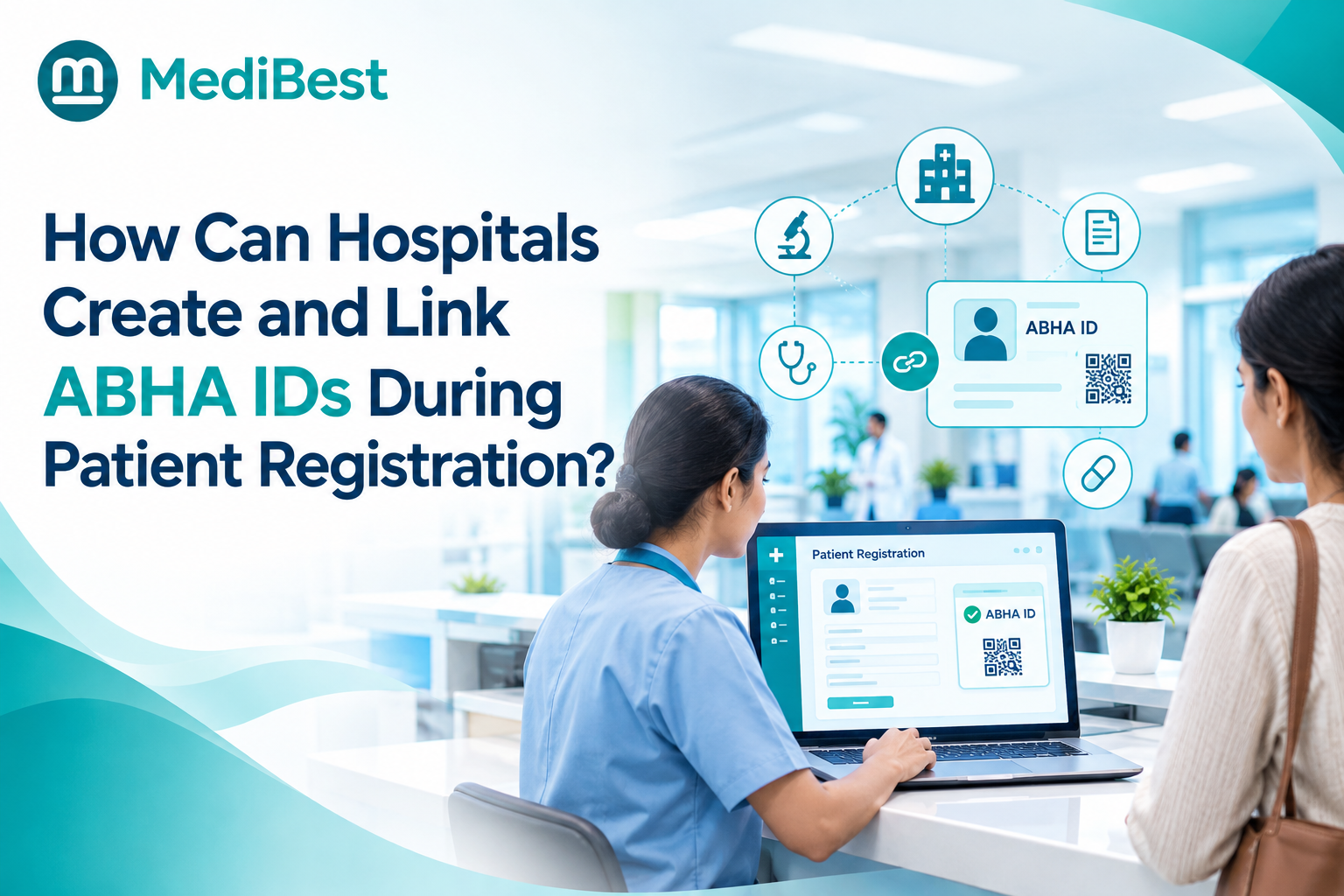
This includes the ability to generate and link ABHA IDs during patient registration, securely exchange health records through approved government gateways, and maintain proper consent management, since patient data sharing under ABDM requires explicit, documented patient consent at every step.
Beyond the technical integration itself, the broader system needs to function as reliable hospital administration software, managing the everyday operational side, registration, billing, department coordination, alongside these newer compliance requirements. ABDM readiness works best when it is built into the core system rather than bolted on as an afterthought.
Why Deployment Model Matters Here Too
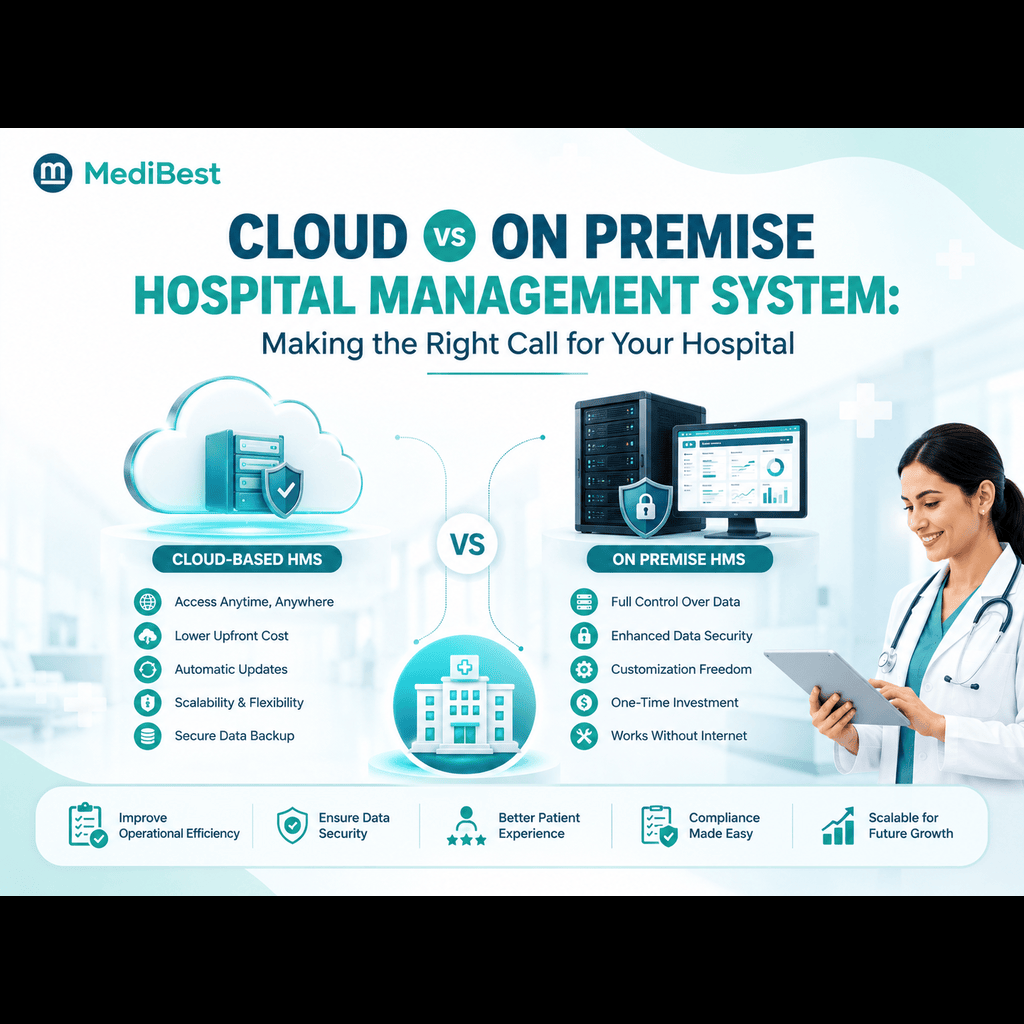
ABDM integration tends to work more smoothly on systems built with cloud connectivity in mind from the start, since much of the framework depends on secure, real time data exchange between hospitals and national health registries.
A saas hospital management system is generally well positioned for this, since the underlying infrastructure is already designed for continuous connectivity and centrally managed updates. As ABDM requirements evolve, which they are likely to as the framework matures, a cloud based system can typically adapt through provider side updates rather than requiring hospitals to manage complex technical changes internally.
Preparing Your Hospital for What Comes Next
Hospitals that wait until ABDM integration becomes mandatory in practice, rather than preparing ahead of time, often find themselves scrambling to catch up while competitors are already offering patients a smoother, more connected experience.
A few practical steps worth considering:
- Ask your current software provider directly whether ABDM and ABHA integration is supported, and how
- Review how patient consent is currently captured and stored within your existing system
- Evaluate whether your deployment model, cloud or on premise, can realistically support ongoing regulatory updates
- Consider how staff will need to be trained on ABHA ID creation and verification during registration
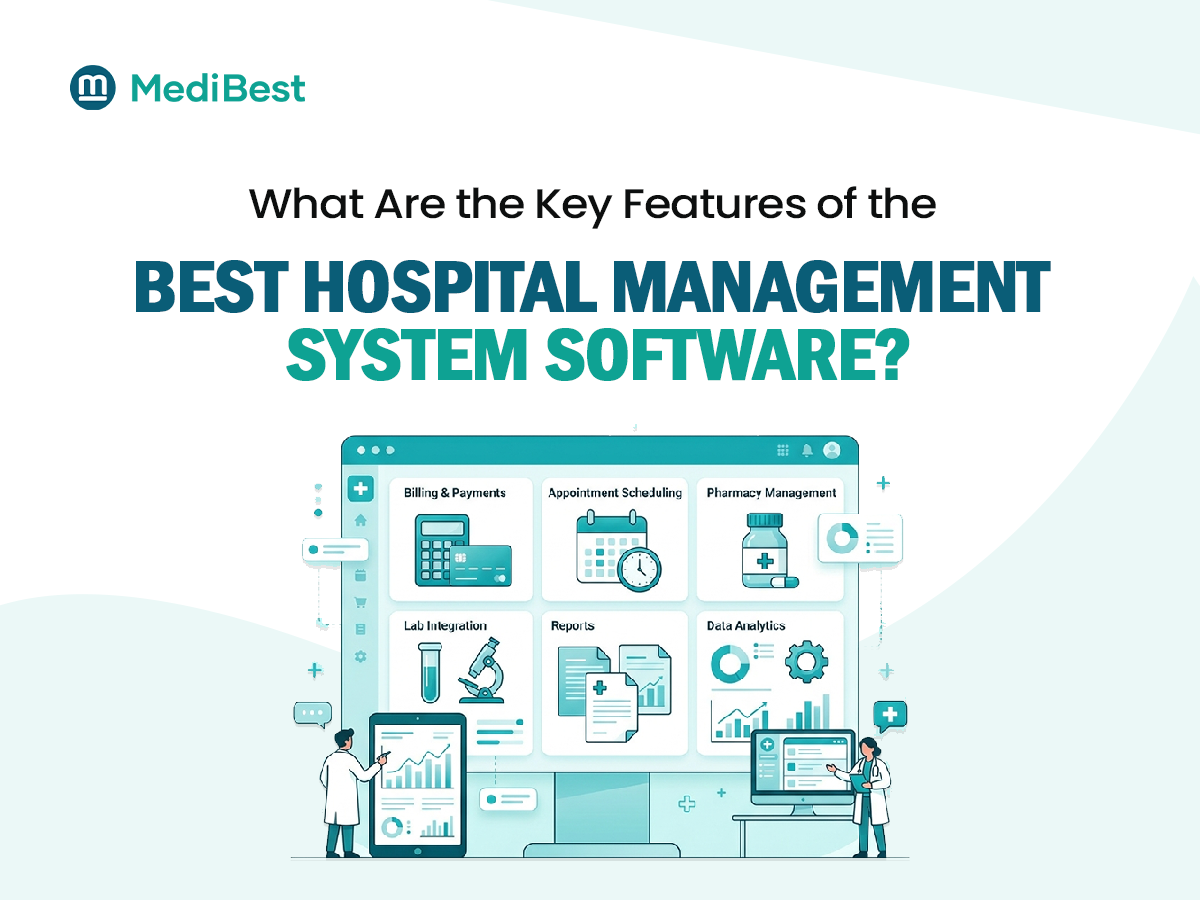
Medibest has been building this readiness directly into its hospital software, since digital health integration is clearly the direction the entire sector is moving. For a wider look at what else to evaluate in a modern hospital platform beyond ABDM specifically, our earlier piece on the key features of the best hospital management system software covers the broader picture worth considering alongside this.
Frequently Asked Questions
1. What is the difference between ABDM and ABHA?
ABDM is the national digital health mission itself, while ABHA is the individual digital health ID created under that mission, allowing patients to link their medical records across participating healthcare providers.
2. Is ABDM integration mandatory for hospitals in India?
While adoption is still expanding rather than universally mandatory, government schemes and patient expectations are increasingly built around ABDM participation, making it a practical necessity for hospitals wanting to stay competitive.
3. Does ABDM readiness require a specific type of hospital software?
It requires software with specific technical capabilities, including ABHA ID generation, secure data exchange with government registries, and proper consent management, rather than a specific brand or category of software.
4. How does patient consent work under ABDM?
Patients must explicitly consent before their health records are shared through the ABDM framework. Hospital software needs to capture, store, and honour this consent accurately at every stage of data exchange.
5. Can older hospital management systems be upgraded for ABDM compliance?
In some cases, yes, though it depends heavily on the system’s underlying architecture. Cloud based systems generally adapt more easily to this kind of regulatory update than older on premise installations.
Ready to Make Your Hospital ABDM and ABHA Ready
If you are unsure whether your current hospital software can genuinely support ABDM and ABHA integration, it is worth finding out before it becomes an urgent problem rather than a planned upgrade. Connect with Medibest to understand exactly where your hospital stands and what it would take to get fully ready.