It’s 9 AM and the OPD is already three patients deep. A nurse is hunting for a file that was “just here a minute ago.” A doctor is trying to recall a patient’s last prescription from memory because the paper chart hasn’t reached the room yet. Billing is stuck because someone forgot to update the insurance details.
If this feels familiar, you’re not alone. Most hospitals lose hours every day to problems that have nothing to do with actual patient care. The good news is that this is a fixable problem, and a well-built hospital management system is how most modern hospitals are fixing it.
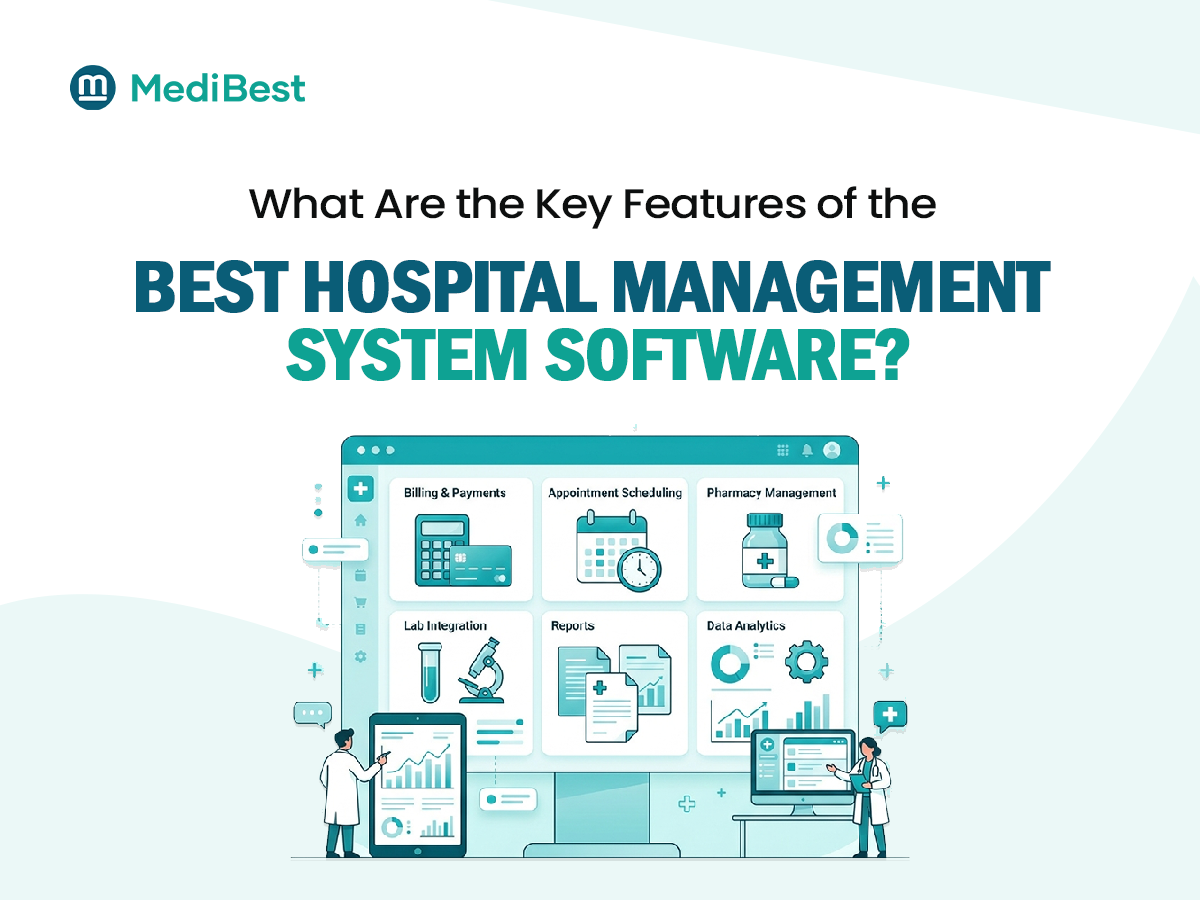
In short: a hospital management system software connects patient records, scheduling, billing, pharmacy, and lab data into one platform, so staff spend less time chasing information and more time treating patients.
Let’s break down what that actually looks like on the ground.
What Slows Hospitals Down Today
Before looking at solutions, it helps to name the actual bottlenecks. Most hospitals, regardless of size, run into the same recurring issues:
- Patient files stored across paper and disconnected software, so nobody has the full picture
- Manual appointment scheduling that leads to overbooking or long idle gaps
- Billing errors from manual data entry, delaying insurance claims
- Staff spending hours on data entry instead of patient interaction
- Departments working in silos, so lab results or referrals get delayed in transit
None of these problems are about a lack of effort from hospital staff. They’re about outdated systems trying to keep up with a demanding, fast-moving environment.
How a Hospital Management System Actually Solves This
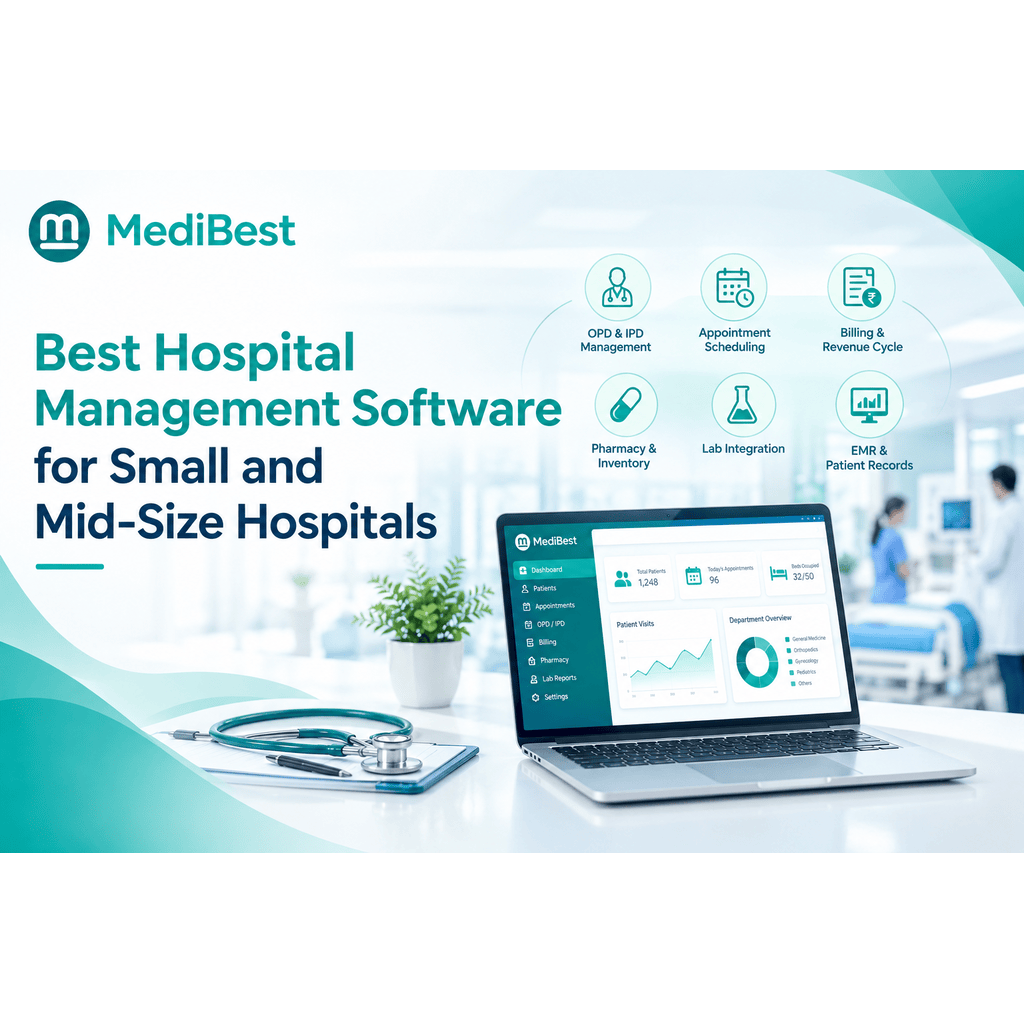
A hospital administration software built for physicians and administrators works by digitizing every touchpoint, from the moment a patient walks in to the moment they’re discharged. Here’s where the impact shows up first.
Faster Registration and Scheduling
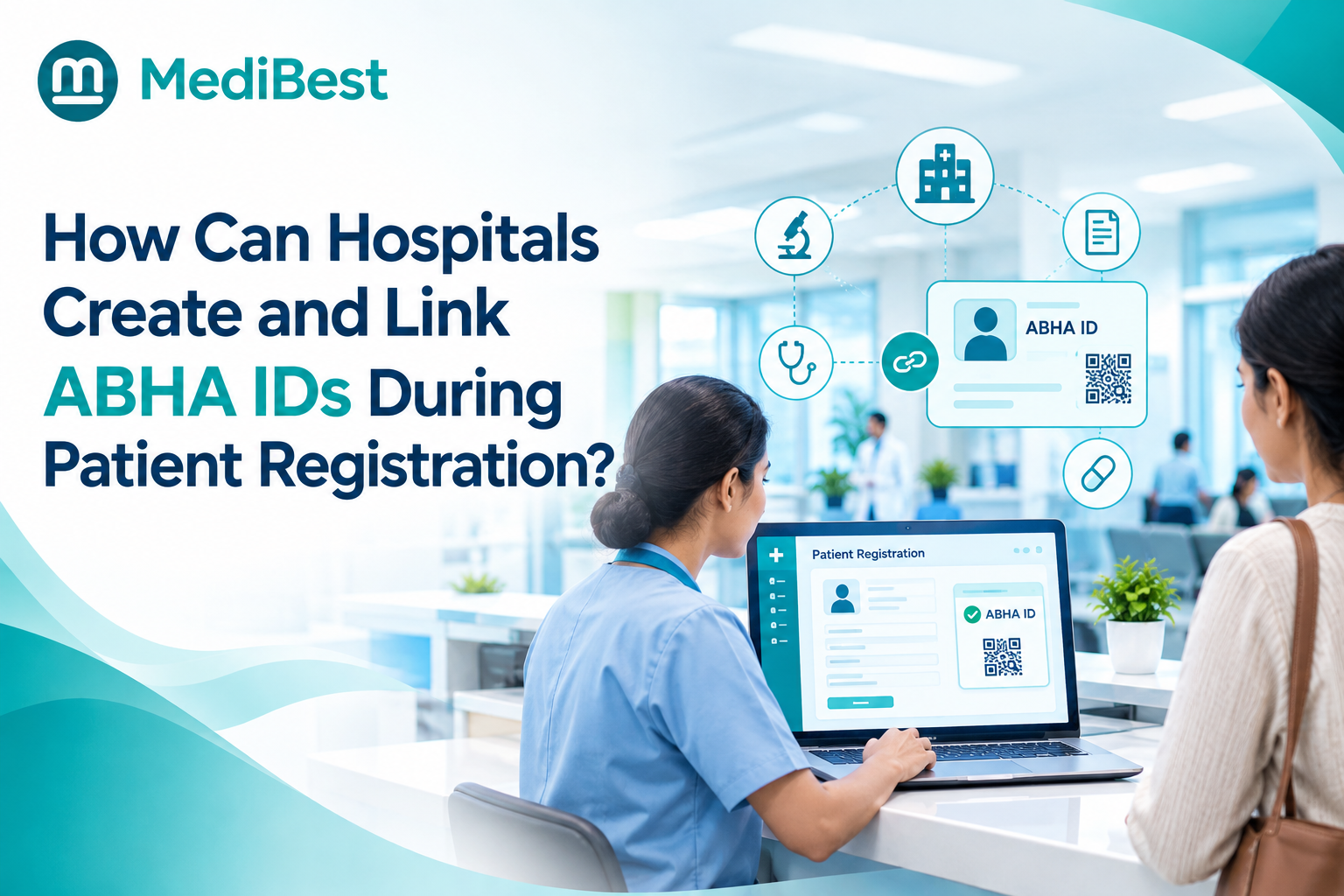
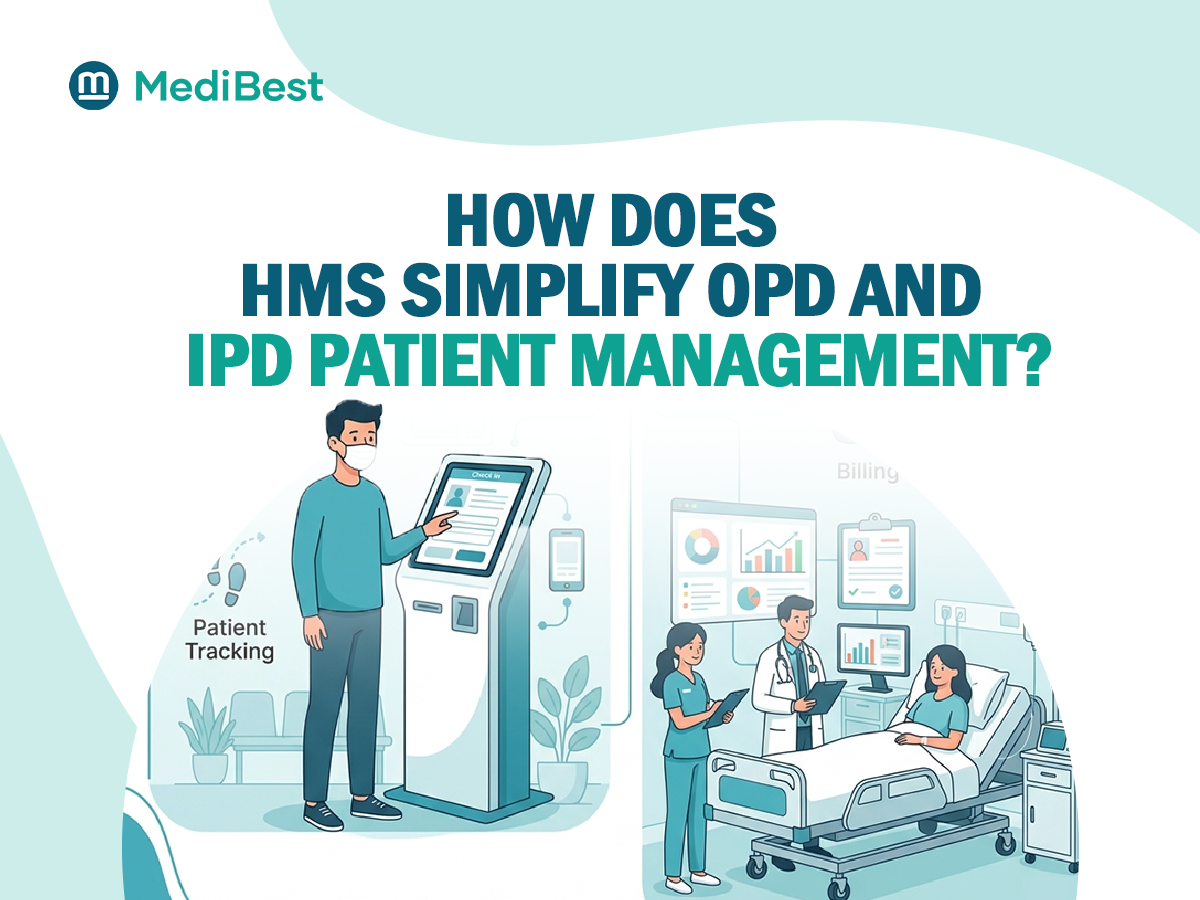
Patient registration that used to take fifteen minutes with a form and a queue can happen in under two. With OPD management software built into the platform, appointment slots are visible in real time, so front-desk staff aren’t double-booking doctors or leaving gaps in the schedule. This alone tends to be the fastest-felt improvement for both patients and staff.
One Place for Every Patient Record
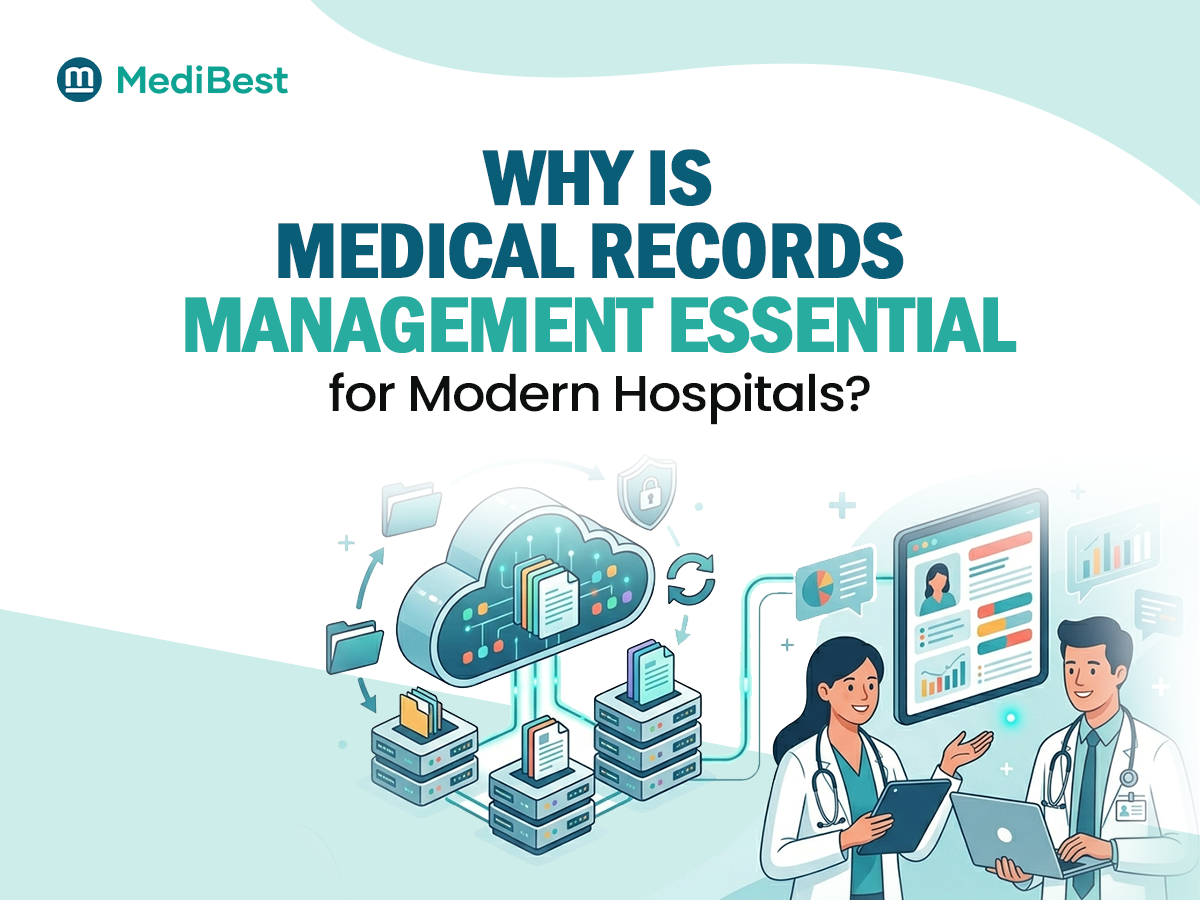
A solid medical record management system gives doctors instant access to a patient’s full medical history, past prescriptions, allergies, and lab reports, without waiting on a file to be physically located. This matters more than it sounds. Quick access to history means fewer repeated tests, fewer missed drug interactions, and faster, more confident decisions during consultations.
Billing That Doesn’t Fight You
The right billing software for hospital operations automates claim submission, verifies insurance in real time, and adds built-in coding assistance, which means fewer rejected claims and faster reimbursements. Hospitals using structured billing workflows typically see noticeably fewer denied claims within the first few months.
Departments That Actually Talk to Each Other
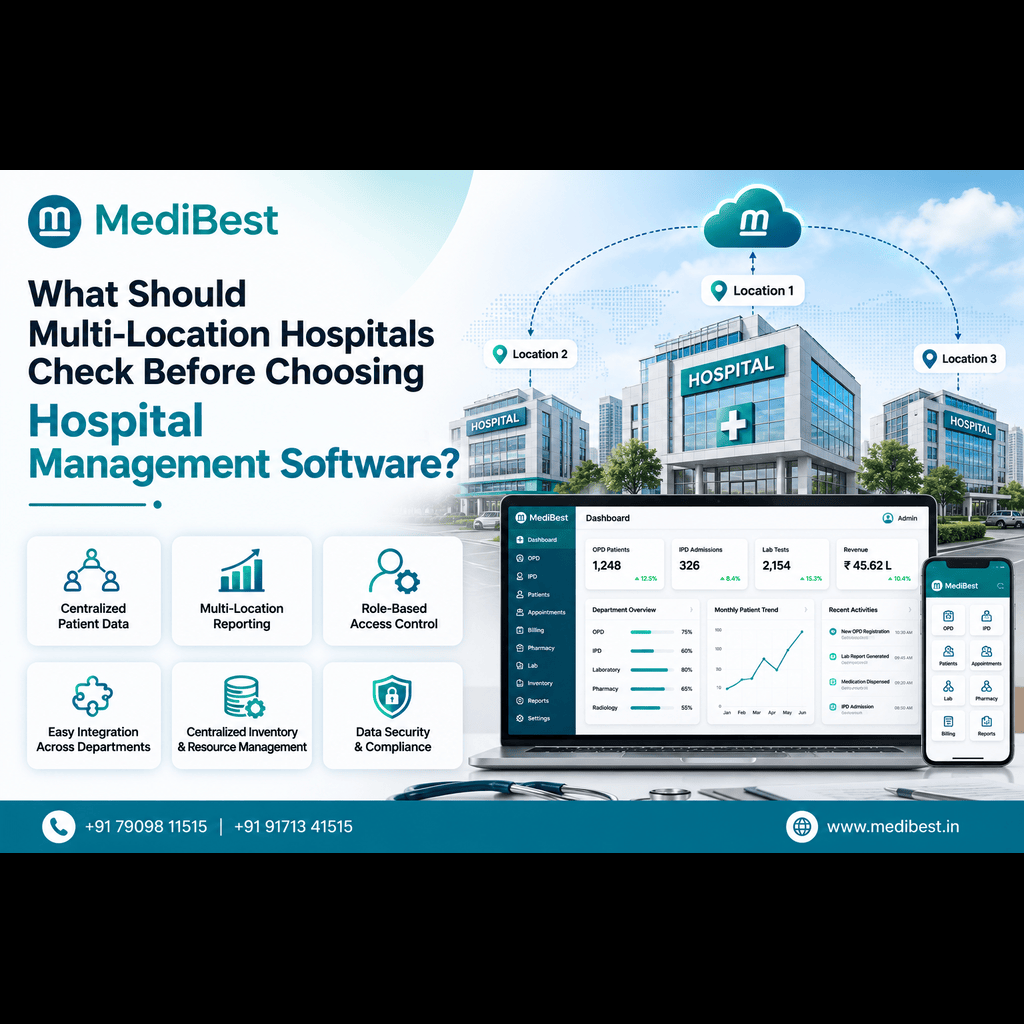
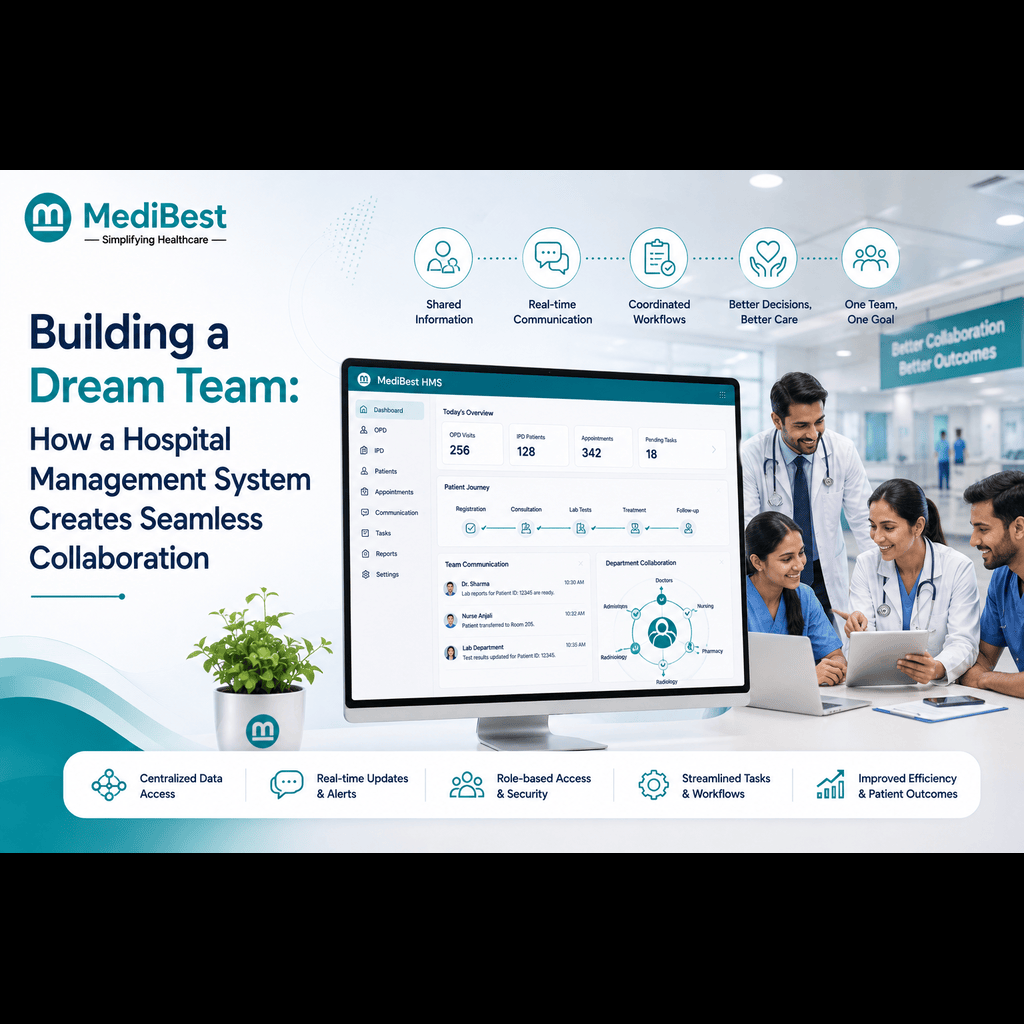
When the lab, pharmacy, and wards run on the same platform, a test result or a referral doesn’t sit in someone’s inbox for hours. It moves the moment it’s ready, which shortens the entire care cycle for the patient.
What This Means for Patient Care Efficiency
The real test of any hospital management system isn’t how clean the dashboard looks. It’s whether patients notice the difference. And they usually do:
- Shorter wait times at registration and during consultations
- Fewer repeat visits caused by lost paperwork or miscommunication
- Automated appointment reminders that cut down no-shows
- Patient portals where people can check reports, prescriptions, and bills without calling the front desk
- Doctors who have more time per patient because less of their day goes into admin work
This is also where the platform quietly becomes a tool for physicians rather than another system they have to manage. Less time on paperwork translates directly into more attention on the patient in front of them, which is really the entire point of the exercise.
It’s worth noting that efficiency and intelligence go hand in hand here. Once the operational side is solid, the next layer is how AI is reshaping clinical decision support within HMS platforms, helping doctors catch patterns in patient data that would otherwise take much longer to spot manually. That’s a separate conversation worth having once the basics are in place.
Choosing the Right System for Your Hospital
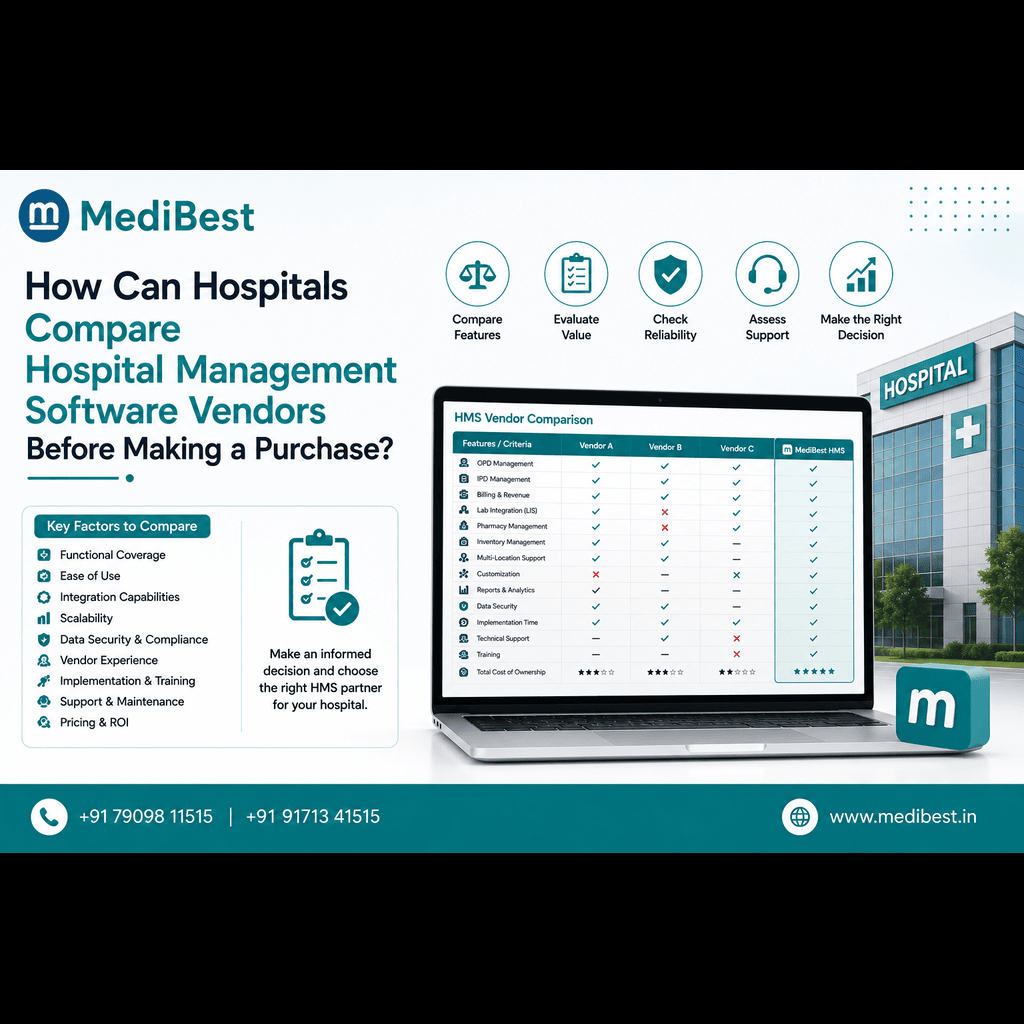
Not every hospital software company builds its platform the same way, and picking the wrong one can create more friction than it removes. A few things worth checking before you commit:
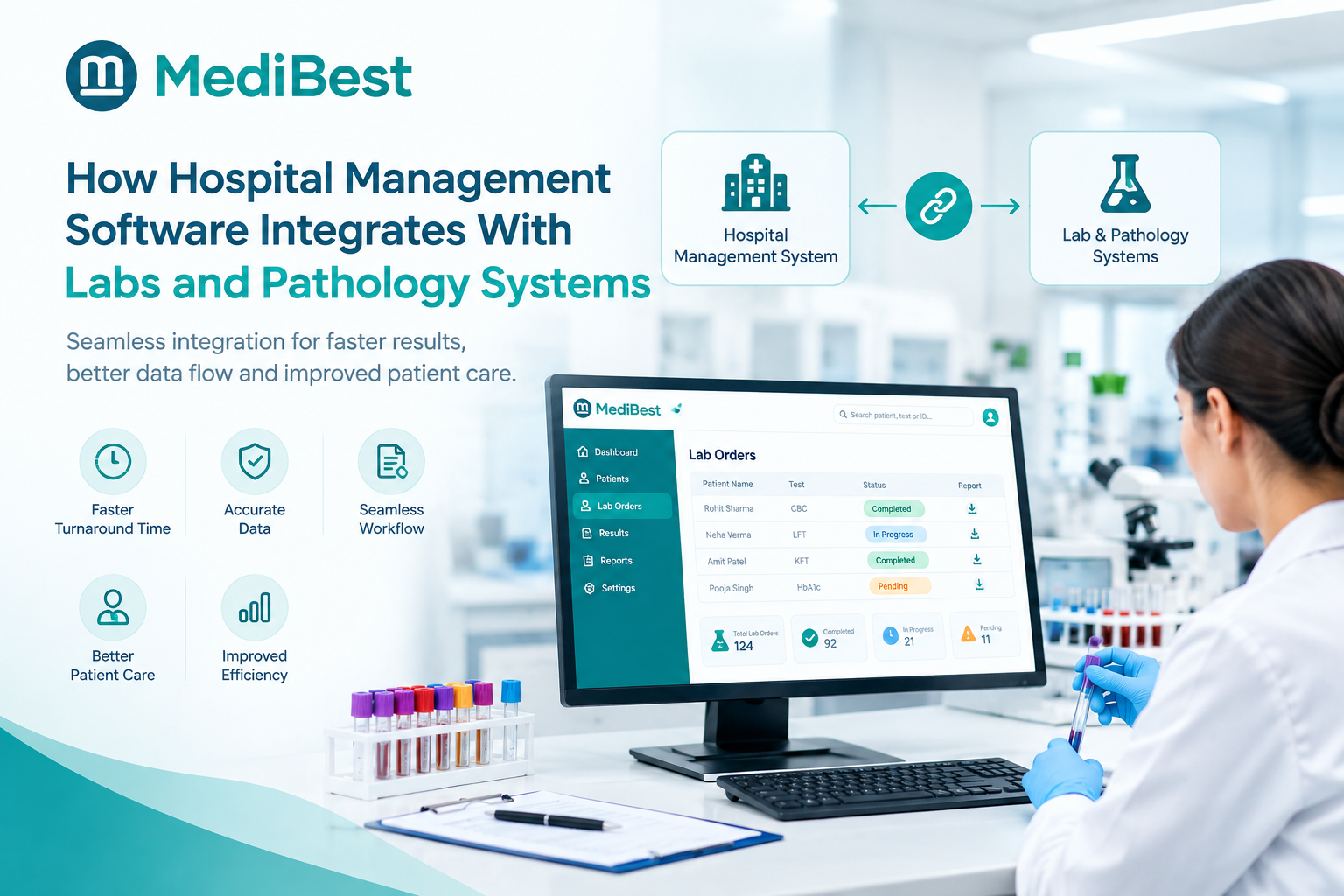
- Does it integrate with your existing lab, pharmacy, and radiology systems?
- Is the interface simple enough that staff can learn it in days, not weeks?
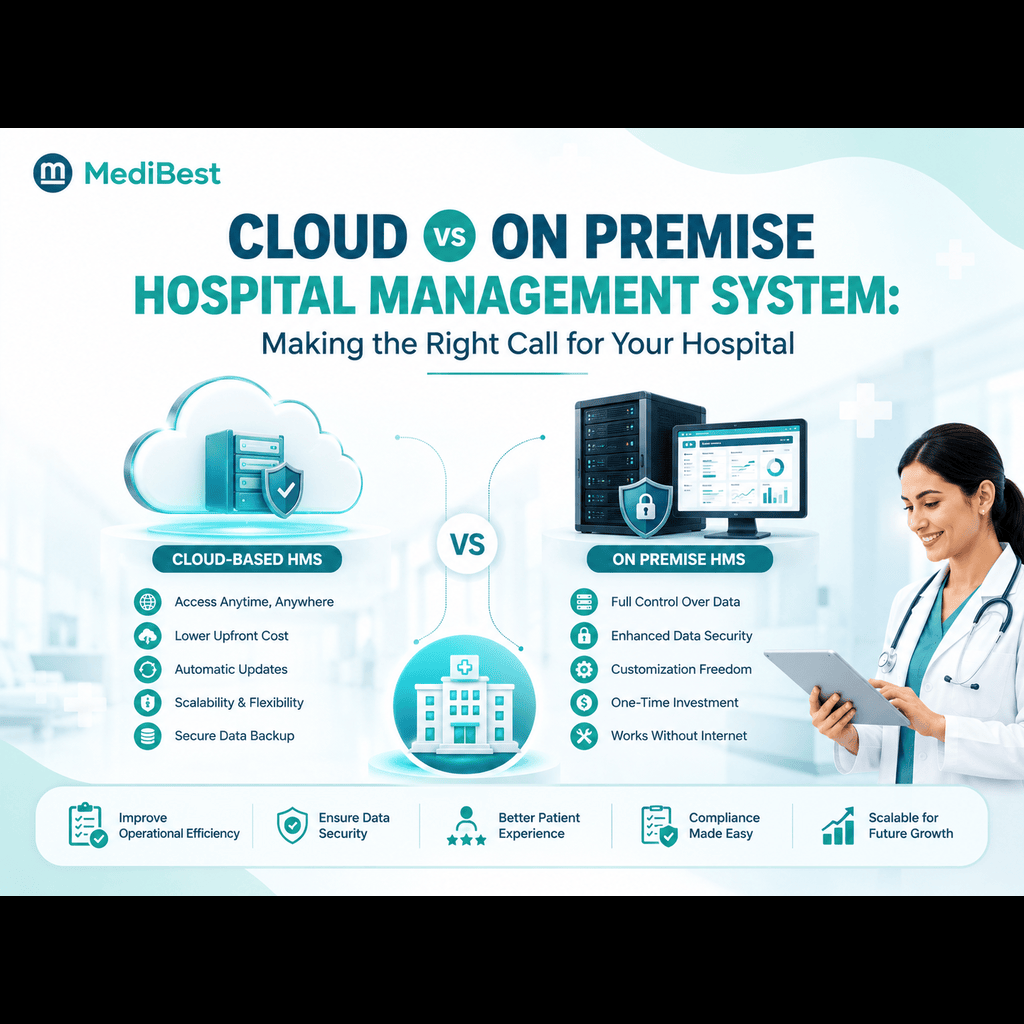
- Is it a cloud based hospital management system that offers mobile access for doctors who need updates outside the hospital?
- Is support available around the clock, given that hospitals never really close?
This is where Medibest has built its reputation among hospitals that want a system mapped closely to how they actually work, rather than a generic template forced onto their workflow. Hospitals in Indore and several other cities across India rely on this kind of best hospital management software for exactly this reason: it’s built with input from real hospital staff, not just developers working off a spec sheet.
Frequently Asked Questions
1. What is a hospital management system used for?
It’s used to handle patient registration, scheduling, medical records, billing, pharmacy, and lab workflows from one connected platform instead of juggling paper files and disconnected tools.
2. Is hospital management software different from hospital administration software?
Not really. Both describe the same category of platform built to manage hospital operations end to end, though “administration software” sometimes leans more toward staff and workflow management specifically.
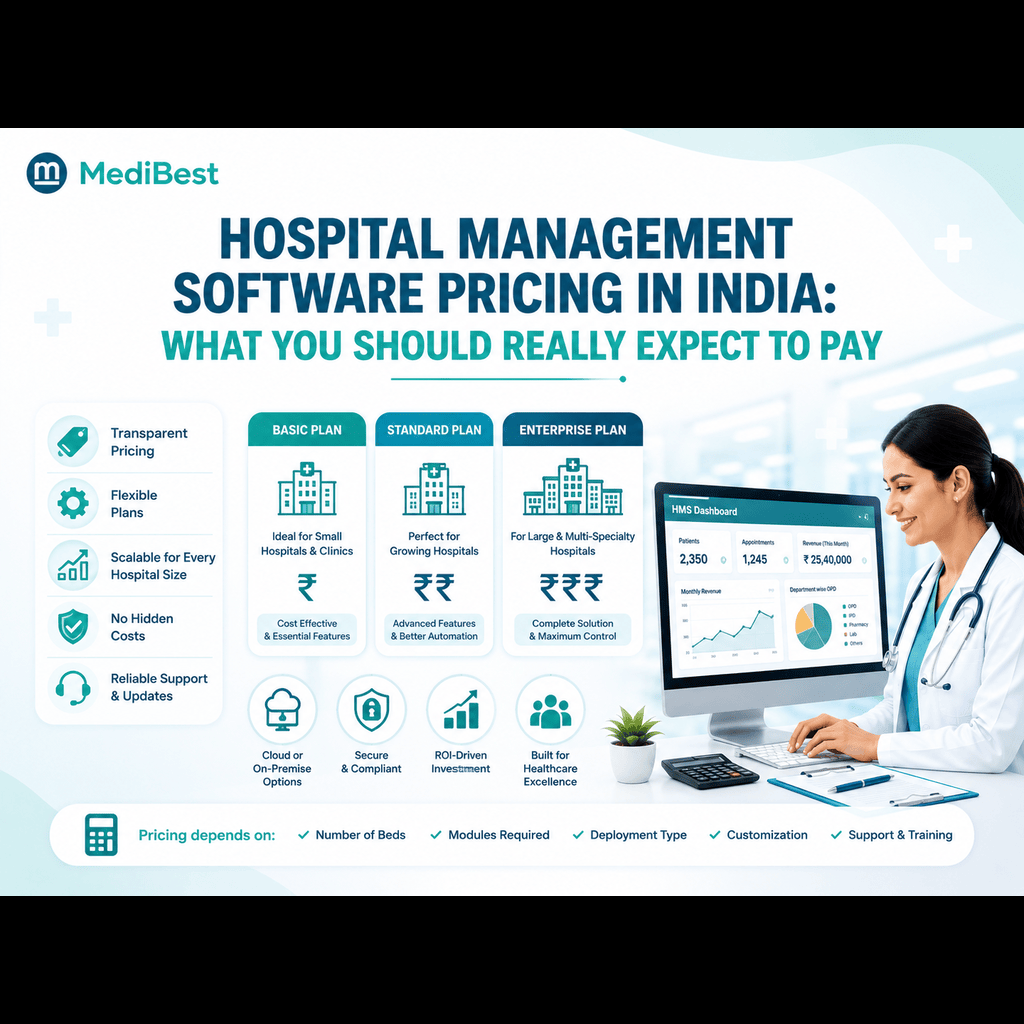
3. How much does hospital management system software cost in India?
Pricing depends on hospital size, the number of modules needed, and whether it’s cloud based or on-premise. It’s worth asking vendors for a quote based on your actual bed count and departments rather than going by a flat listed number.
4. Can a hospital management system integrate with existing lab and pharmacy software?
Yes, most modern systems are built to integrate with radiology, laboratory, and pharmacy software already in use, so hospitals don’t need to rip out and replace everything at once.
5. Is a cloud based hospital management system safe for patient data?
When it’s built with proper encryption, access controls, and regular security audits, a cloud based system is generally as safe as on-premise storage, and often safer, since updates and patches roll out automatically.
The Bottom Line
A hospital management system isn’t a luxury add-on anymore. It’s becoming the baseline expectation for hospitals that want to run efficiently and keep patients satisfied. The hospitals that adopt one early aren’t just saving admin hours, they’re building a foundation that makes every future upgrade, including AI-driven tools, far easier to plug in.
If your team is still juggling paper files, disconnected billing software, and manual scheduling, the gap between where you are and where you could be is smaller than it looks.
Ready to see it in action? Book a free demo with Medibest and walk through exactly how a hospital management system can fit into your hospital’s daily workflow, no pressure, just a clear look at what changes.