A doctor sees forty patients in a day. Somewhere in that stream is a case that doesn’t quite fit the usual pattern, a lab value that’s slightly off, a symptom combination that’s easy to miss when you’re moving fast. Catching that one case early can change the outcome entirely. Missing it can mean a much harder road later.
This is the exact gap AI is starting to close inside hospital software. Not by replacing clinical judgment, but by giving doctors a second set of eyes that never gets tired and never forgets a detail buried in an old chart.
In short: AI in a hospital management system analyzes patient history, lab data, and clinical patterns in real time to help doctors diagnose faster, flag risks earlier, and spend less time on repetitive admin tasks.
Here’s what that looks like once it’s actually built into daily hospital work.
What AI Inside a Hospital System Actually Does
Strip away the buzzwords and AI inside a smart hospital management system comes down to a few practical functions:
- Scanning a patient’s history, lab results, and current symptoms to suggest possible diagnoses worth ruling in or out
- Flagging early warning signs in patients with chronic conditions before they become emergencies
- Predicting which patients are likely to miss appointments, so reminders can be targeted where they matter most
- Checking for drug interactions automatically before a prescription is finalized
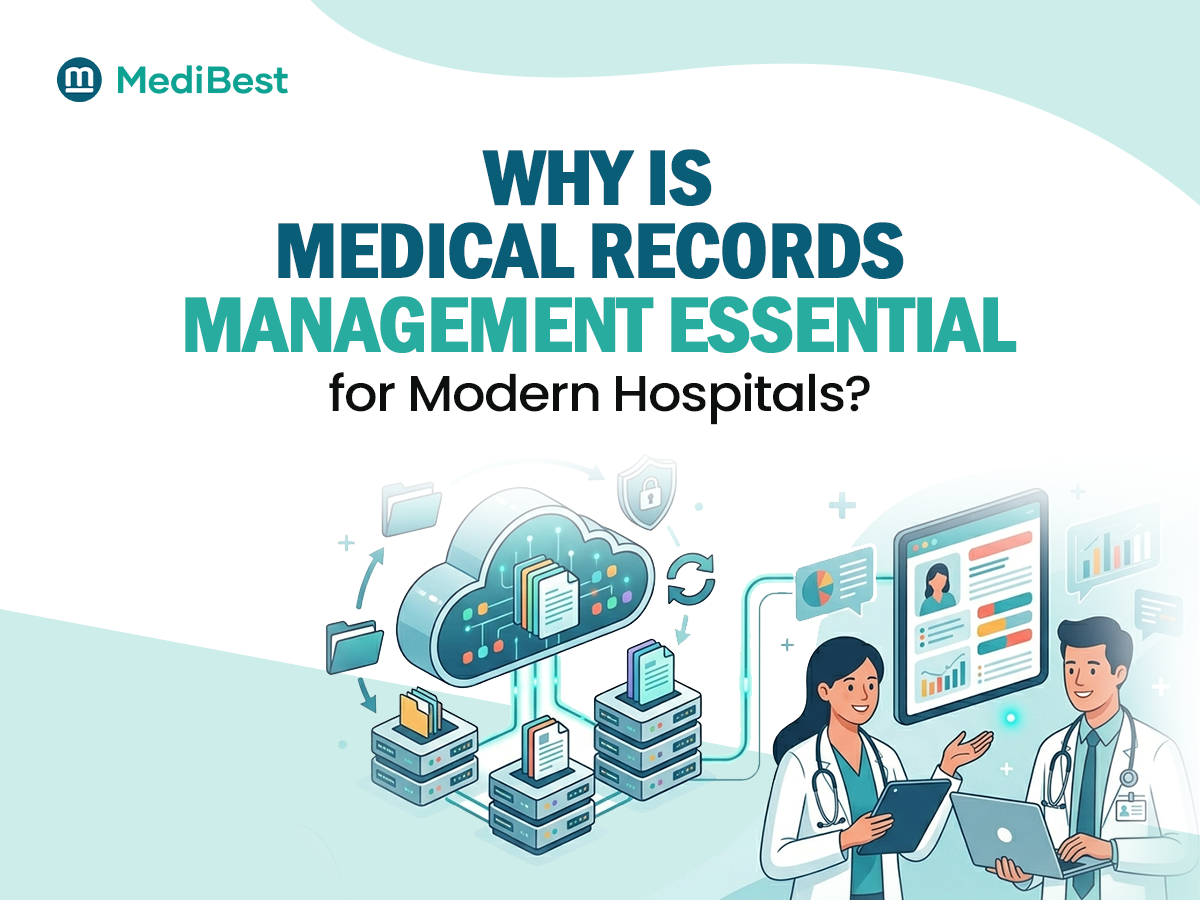
- Strengthening medical records management by sorting through large volumes of patient data to spot patterns a busy team might not notice
None of this replaces a doctor’s decision. It narrows the field faster, so the doctor spends less time searching and more time deciding.
Where This Shows Up in Real Diagnosis and Treatment
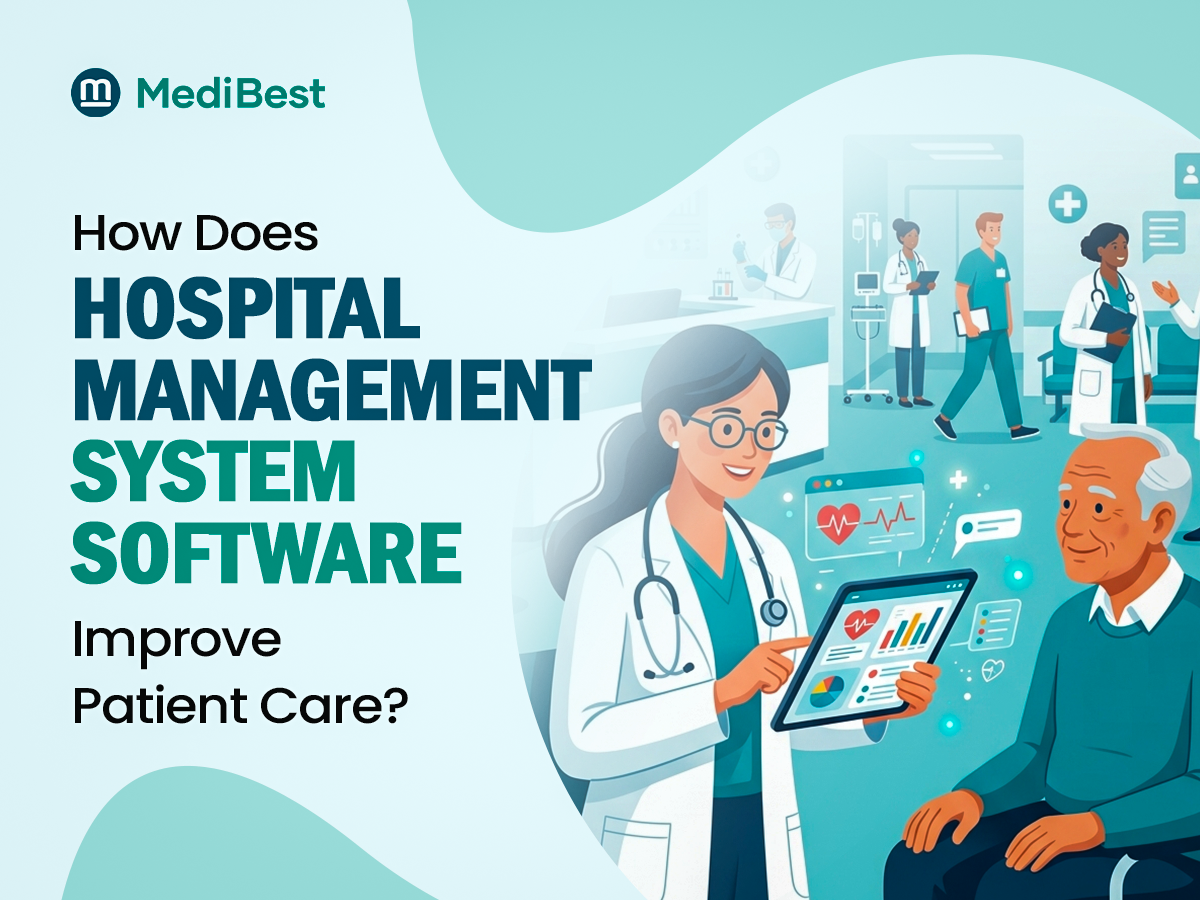
This is where a properly connected hospital information management system earns its keep, since AI needs clean, centralized data to work from in the first place. Take a diabetic patient with a history of irregular blood sugar readings. On their own, individual readings might look unremarkable. But an AI-powered HMS for doctors can track the pattern across weeks, cross-reference it with diet logs and medication adherence, and flag a real risk of a hypoglycemic episode before it happens. The care team can then adjust the treatment plan ahead of time instead of reacting after an emergency visit.
This same logic applies across specialties. Faster pattern recognition means fewer missed diagnoses, especially for conditions that don’t present with obvious, textbook symptoms.
It also matters for remote monitoring. Patients with chronic conditions who use wearables or home monitoring devices generate a steady stream of readings. Reviewing that manually for every patient isn’t realistic for any care team. An AI-powered HMS for doctors can sort through it continuously, flag genuine anomalies, and feed every relevant reading straight into the hospital patient record management system, so the alerts that reach a doctor’s desk are the ones that actually need attention.
Cutting Down the Repetitive Work Behind the Scenes
AI clinical decision support software isn’t just about diagnosis. This is where HMS software for hospitals earns most of its quiet value, in the administrative layer that doctors rarely talk about but deal with every single day:
- Medical coding and billing checks that catch errors before a claim is submitted
- Smarter appointment scheduling that reduces no-shows without extra manual follow-up
- Virtual assistants that handle routine patient questions, so staff aren’t fielding the same calls repeatedly
- Automated post-discharge check-ins that flag patients who might need urgent attention
Less time on this kind of work means more time actually spent with patients, which is where doctors want to be in the first place.
What Hospitals Should Watch Before Adopting AI Tools
AI in hospital software brings real benefits, but it’s not something to switch on without a plan. A few things worth thinking through first:
- Data privacy: Patient data needs strong encryption and access controls, not just a compliance checkbox
- Staff training: AI tools are only useful if the team actually knows how to read and act on the suggestions
- Ethical boundaries: AI should support clinical judgment, never quietly replace it
- Ongoing review: Results should be checked periodically to confirm the system is actually improving outcomes, not just adding noise
Hospitals that skip these steps tend to see slower adoption and less trust from their own staff, which defeats the purpose of bringing AI in at all.
A Quick Word on Where This Fits
AI works best on top of a healthcare management system software that’s already running cleanly. If registration, records, and billing are still stuck in disconnected spreadsheets, AI has very little reliable data to work with. It’s worth reading through how a hospital management system improves everyday efficiency and patient care first, since that operational base is what makes AI genuinely useful rather than just a feature on a brochure.
This is one of the areas where Medibest has focused its development, building AI capability directly into its SaaS hospital management system rather than bolting it on as a separate add-on. Hospitals in Indore and other cities have been able to layer this in gradually, starting with clinical decision support and expanding into predictive monitoring as their teams get comfortable with it.
Common Questions About AI in Hospital Management Systems
1. Does AI replace a doctor’s diagnosis?
No. It analyzes data and suggests possibilities, but the final clinical decision always stays with the doctor.
2. Is patient data safe with AI-powered systems?
When built correctly, yes. Look for encryption, strict access controls, and regular security audits as a baseline requirement.
3. Can AI tools connect with the hospital software we already use?
Most modern systems are built to integrate with existing lab, pharmacy, and billing software rather than replace everything at once.
4. What makes a hospital management system “smart”?
A smart hospital management system uses AI and automation to do more than store data. It flags risks, predicts scheduling gaps, and surfaces insights doctors would otherwise have to dig for manually.
5. Is hms medical software different from regular hospital software?
Not fundamentally. hms medical software usually refers to the same category of platform, often with a sharper focus on clinical workflows like diagnosis support and patient monitoring rather than just administrative tasks.
Where to Go From Here
AI in healthcare is still developing, but the practical gains, faster pattern recognition, fewer missed risks, less repetitive admin work, are already real and measurable today. The hospitals adopting it early aren’t chasing a trend. They’re giving their doctors more time to actually practice medicine.
Curious what this looks like for your hospital? Talk to our team about how AI-powered clinical support can fit into your existing hospital management system, with a clear look at what’s realistic for your setup, not just what sounds good in a pitch.